Introduction
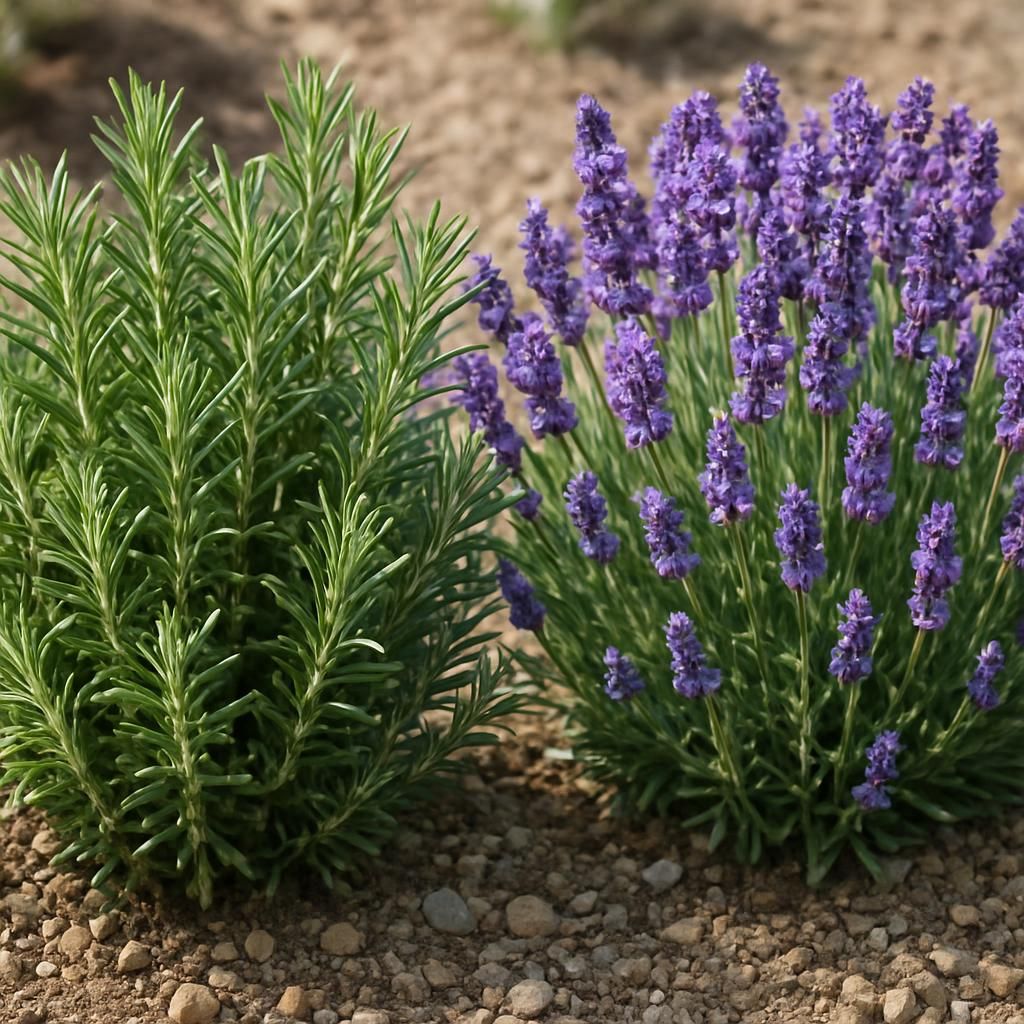
Rosemary and lavender are beloved Mediterranean herbs prized for their aromatic foliage, culinary uses, and drought tolerance once established. However, many gardeners notice their mature rosemary bushes suddenly yellowing, dropping needles, or dying back, while lavender plants appear sparse and leggy rather than full and bushy. These symptoms often stem from subtle imbalances in soil conditions or watering habits that can be corrected with organic methods. Understanding the underlying causes allows you to address problems early and restore both plants to vigorous growth.
Common Causes
Several interconnected factors typically lead to declining rosemary and lackluster lavender. Overwatering is the leading culprit because both species evolved in well-drained, rocky soils and cannot tolerate soggy roots. Poor soil drainage compounds the issue, especially in clay-heavy garden beds. Nutrient imbalances, particularly excess nitrogen, encourage weak, floppy growth in lavender while stressing rosemary. Root rot from fungal pathogens often follows prolonged moisture, and occasional pest pressure such as spider mites can weaken plants further.
The table below compares typical symptoms and root causes:
| Symptom | Most Likely Cause | Affected Plant |\n|--------------------------|----------------------------|--------------------|\n| Yellowing lower needles | Overwatering / root rot | Rosemary |\n| Sparse, woody stems | Insufficient pruning | Lavender |\n| Wilting despite moist soil | Compacted or clay soil | Both |\n| Brown leaf tips | Underwatering after establishment shock | Rosemary |\n| Leggy growth | Low light or high nitrogen | Lavender |
Step-by-Step Organic Solutions
Begin by assessing soil moisture at a 4-inch depth with a simple wooden skewer or moisture meter. If the skewer emerges damp, withhold water immediately. For rosemary showing advanced decline, gently excavate around the base to inspect roots; healthy roots appear white and firm while rotted roots are brown and slimy.
Improving Drainage Organically
- Amend the planting area with equal parts coarse sand, aged compost, and pine bark fines to create a fast-draining medium without synthetic fertilizers.
- Create a slight mound or raised bed 6-8 inches high for new or transplanted specimens so water flows away from the crown.
- Top-dress with a 2-inch layer of gravel or crushed oyster shell mulch that reflects heat and prevents soil compaction.
Pruning and Rejuvenation
For rosemary, remove only dead wood in early spring using clean shears sterilized with vinegar solution. Never cut into bare woody stems more than one-third of the plant height. Lavender benefits from a hard prune immediately after flowering, cutting stems back by one-third to stimulate basal branching and denser foliage.
Natural Fertilization and Microbial Support
Apply a thin layer of well-aged compost tea or worm castings tea every 6-8 weeks during active growth. These organic amendments supply slow-release nutrients and beneficial microbes that suppress root pathogens. Avoid high-nitrogen fertilizers entirely; instead, use a balanced organic blend derived from kelp and fish emulsion diluted to half strength.
Companion Planting and Pest Management
Interplant with Thyme to improve air circulation and deter pests naturally. A light spray of neem oil emulsion (1 teaspoon per quart of water plus a drop of castile soap) controls spider mites without harming beneficial insects.
Prevention Tips
- Water established rosemary and lavender only when the top 2 inches of soil feel dry; typically once every 7-14 days depending on climate.
- Site both plants in full sun with at least 6-8 hours of direct light to promote compact growth.
- Test soil pH annually and maintain a range of 6.5-7.5 with agricultural lime if needed.
- Divide or replace lavender every 3-4 years to prevent woody centers and maintain lush appearance.
- Mulch lightly in winter with evergreen boughs rather than heavy organic matter that retains moisture.
By focusing on drainage, restrained watering, and organic soil health, gardeners can reliably revive struggling rosemary bushes and transform sparse lavender into full, fragrant specimens that thrive for many seasons.