Introduction
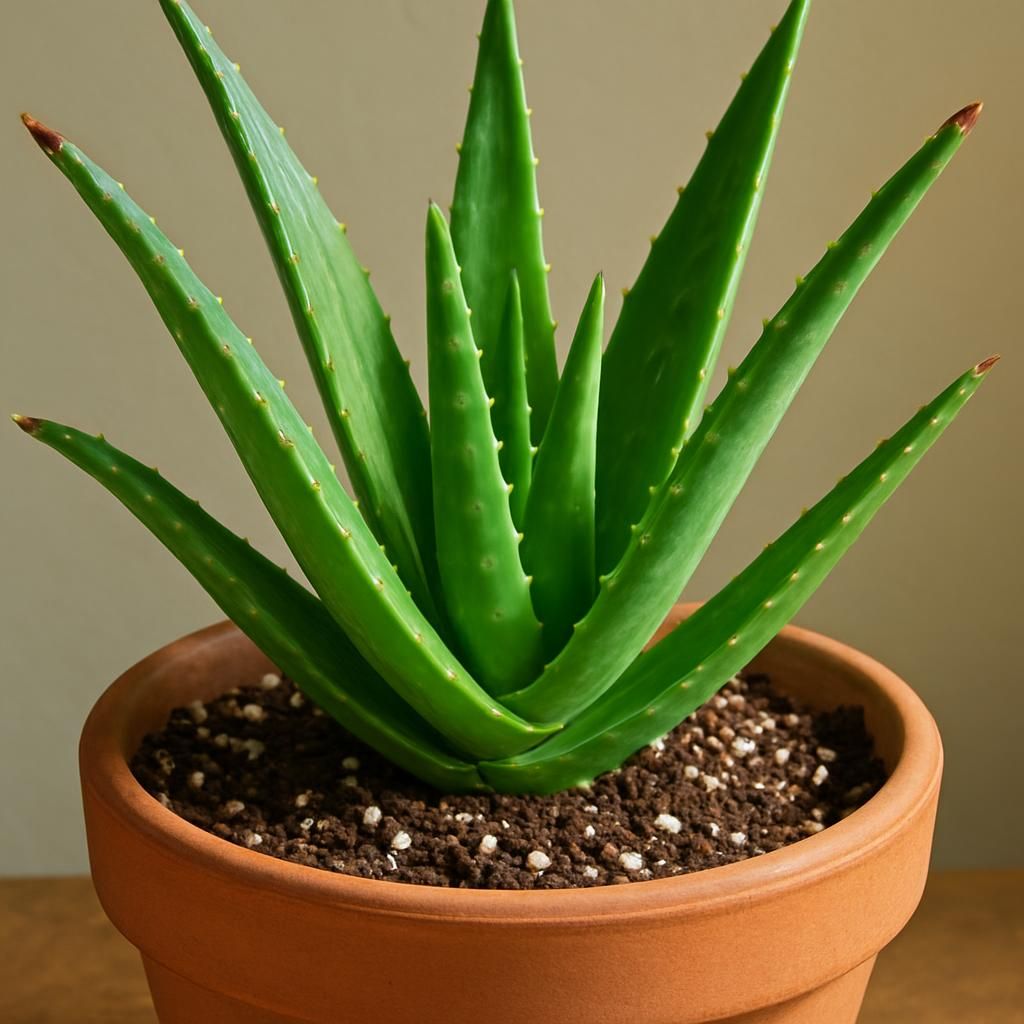
Aloe vera is a resilient succulent prized for its soothing gel and low-maintenance nature, yet many gardeners notice concerning symptoms like browning leaf tips or excessive top growth. These issues often signal imbalances in watering, light, or soil conditions rather than disease. Understanding the root causes allows you to address problems quickly and keep your Aloe Vera thriving for years.
Browning tips can spread if ignored, reducing the plant's aesthetic appeal and medicinal value. Meanwhile, tall central growth may indicate the plant is preparing to flower or reacting to stress. This guide covers common triggers and provides step-by-step organic solutions focused on prevention and long-term care.
Common Causes
Several environmental factors contribute to brown tips and unwanted top growth in aloe vera. Identifying the specific trigger is essential before taking action.
Overwatering and Poor Drainage
Overwatering is the leading cause of brown leaf tips. Aloe vera stores water in its leaves and prefers dry soil between waterings. Soggy conditions lead to root rot, which manifests as browning starting at the tips.
Underwatering and Fluoride Sensitivity
Conversely, prolonged drought stresses the plant, causing tips to dry out and turn brown. Tap water containing fluoride or chlorine can also burn leaf tips over time.
Excessive Sunlight or Nutrient Imbalances
Too much direct afternoon sun scorches leaves, while nutrient-poor soil lacking potassium or magnesium weakens leaf health. Tall top growth often results from insufficient light, prompting the plant to stretch upward.
| Cause | Symptoms | Typical Onset |
|---|---|---|
| Overwatering | Soft, mushy base with brown tips | 1-2 weeks |
| Underwatering | Dry, crispy brown tips | 3-4 weeks |
| Fluoride burn | Uniform tip browning | Ongoing |
| Low light | Elongated central growth | 4-6 weeks |
Step-by-Step Organic Solutions
Address symptoms methodically using organic practices that restore balance without synthetic chemicals.
Assessing and Pruning Top Growth
- Examine the central rosette for flower stalks or etiolated growth. Aloe vera rarely needs topping unless flowering.
- Use sterilized shears to cut flower stalks at the base once blooms fade. This redirects energy to leaf production.
- Remove only damaged outer leaves at soil level, never cutting the main growing point.
- Allow cuts to callus for 24 hours before returning the plant to its pot.
Treating Brown Leaf Tips
- Trim brown tips with clean scissors, following the leaf's natural angle to maintain shape.
- Flush the soil thoroughly with distilled or rainwater to remove fluoride buildup.
- Repot in a well-draining cactus mix amended with perlite and organic compost if roots appear compromised.
- Water deeply but infrequently--every 2-3 weeks in summer and monthly in winter--allowing soil to dry completely.
Improving Environmental Conditions
- Relocate the plant to bright indirect light for 6-8 hours daily.
- Apply diluted organic seaweed fertilizer monthly during active growth to boost potassium levels.
- Increase humidity slightly with a pebble tray if indoor air is very dry.
Prevention Tips
Consistent care prevents recurrence of these issues.
- Always use pots with drainage holes and avoid saucers that collect water.
- Water only when the top 2 inches of soil feel dry; test with a wooden skewer.
- Use filtered or rainwater exclusively to eliminate mineral burn.
- Rotate the plant quarterly for even growth and monitor for stretching.
- Repot every 2-3 years in fresh organic soil to maintain nutrient availability.
Regular observation combined with these organic methods ensures your aloe vera remains healthy, productive, and free of brown tips year-round.