Introduction
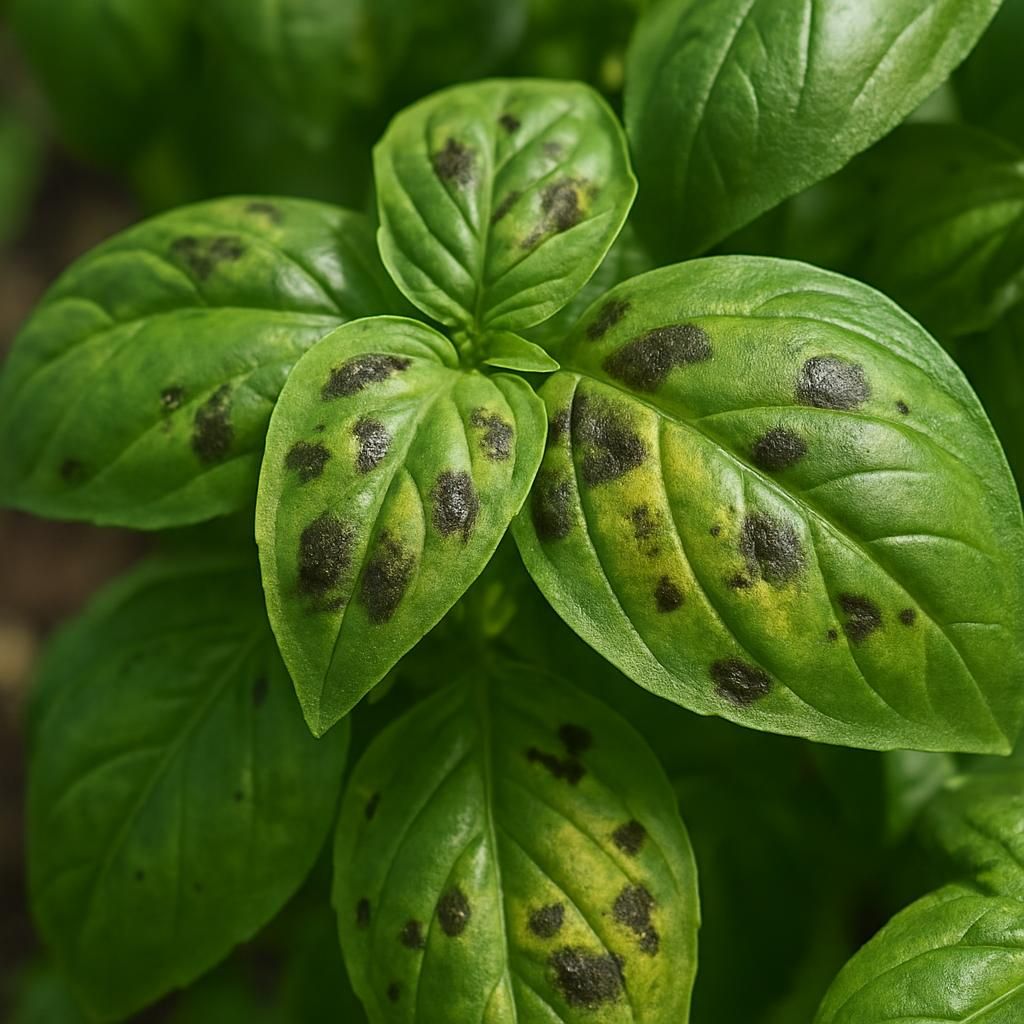
Basil plants are a favorite in home gardens for their aromatic leaves and culinary versatility, but they are highly susceptible to leaf spot diseases that manifest as discolored or necrotic patches. If you've noticed spots appearing on your basil, the issue is often linked to fungal or bacterial pathogens that thrive in humid conditions. Early identification and organic intervention can save your crop and maintain vigorous growth throughout the season.
Leaf spots typically begin as small, water-soaked areas that expand into yellow, brown, or black lesions. In some cases, surrounding tissue may turn neon green due to stress-induced chlorophyll changes before full necrosis sets in. Addressing the problem promptly protects both yield and plant vitality.
Common Causes
Several pathogens commonly affect basil. Understanding each helps in accurate diagnosis:
- Downy Mildew: Caused by Peronospora belbahrii, this produces yellowing on upper leaf surfaces with fuzzy gray-purple growth underneath. Spots often appear angular and limited by veins.
- Bacterial Leaf Spot: Pseudomonas or Xanthomonas species create dark, water-soaked lesions that may ooze in wet weather, leading to rapid defoliation.
- Cercospora Leaf Spot: Results in circular spots with gray centers and dark borders, often accompanied by premature leaf drop.
- Environmental Stress Factors: Overwatering, poor air circulation, or nutrient imbalances (such as nitrogen deficiency causing neon-green coloration) can weaken plants and invite secondary infections.
| Pathogen | Typical Spot Appearance | Favorable Conditions | Spread Method |
|---|---|---|---|
| Downy Mildew | Yellow upper, fuzzy lower | Cool, humid nights | Wind, water splash |
| Bacterial Leaf Spot | Dark, water-soaked lesions | Warm, wet foliage | Tools, rain, insects |
| Cercospora | Circular with gray centers | High humidity, overhead watering | Spores in debris |
Step-by-Step Organic Solutions
Follow this sequence to manage spots without synthetic chemicals:
- Immediate Sanitation: Remove and destroy all affected leaves and stems. Do not compost diseased material, as many pathogens survive in plant debris.
- Improve Airflow: Space plants at least 12-18 inches apart. Prune lower leaves and thin dense foliage to reduce humidity around the canopy.
- Adjust Watering Practices: Water at the base early in the morning so foliage dries quickly. Avoid overhead irrigation that spreads spores.
- Apply Organic Fungicides: Use neem oil or a baking soda spray (1 teaspoon baking soda + 1 quart water + few drops of dish soap) every 7-10 days. For downy mildew, apply copper-based organic fungicides labeled for herbs.
- Boost Plant Immunity: Side-dress with well-aged compost or a balanced organic fertilizer to correct any underlying nutrient deficiencies contributing to neon-green discoloration.
- Monitor and Repeat: Inspect plants every 2-3 days. Continue treatments for at least two weeks after symptoms disappear.
Prevention Tips
Prevention is far easier than cure. Implement these practices from the start of the season:
- Choose resistant basil varieties when available and rotate planting locations yearly.
- Ensure well-draining soil and raised beds to prevent waterlogging.
- Mulch around plants to reduce soil splash onto lower leaves.
- Practice companion planting with aromatic herbs that deter pests and improve biodiversity.
- Regularly clean garden tools with a 10% bleach solution between uses.
Consistent monitoring during warm, humid periods is essential, especially for Thai Basil and other tender varieties. By combining cultural practices with organic treatments, you can maintain healthy, spot-free basil throughout the growing season and harvest abundant, flavorful leaves.
Maintaining optimal growing conditions--adequate sunlight, proper spacing, and balanced nutrition--greatly reduces disease pressure. When spots do appear, swift action using the methods above restores plant health while preserving the organic integrity of your garden.