Introduction
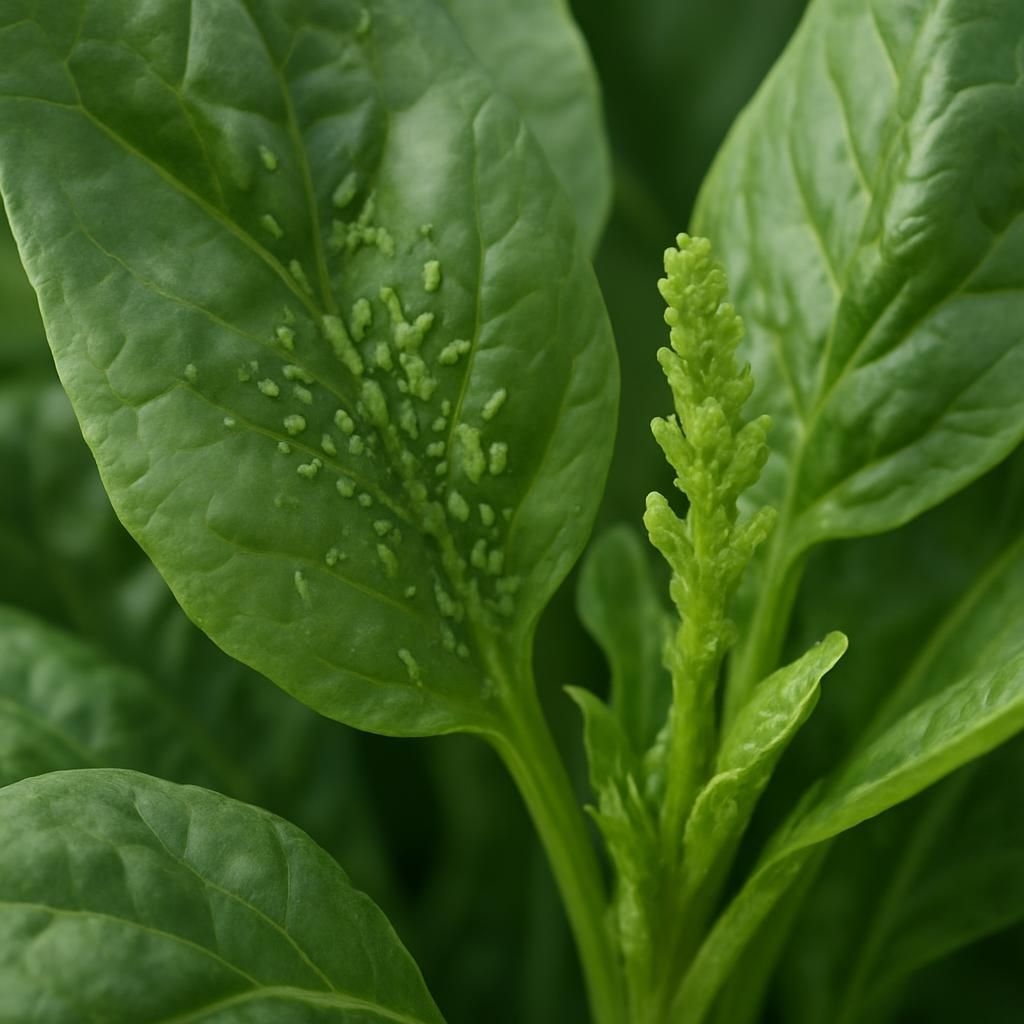
Gardeners frequently notice unusual spots, insects, or rapid flowering on spinach plants and worry about whether the harvest remains safe to consume. Concerns intensify during pregnancy when food safety takes priority. Spinach that stays small and begins flowering early often signals bolting triggered by heat or stress, while visible pests like aphids can leave residue that requires careful cleaning. This guide explains the most common causes, provides step-by-step organic solutions for treatment and washing, and shares practical prevention strategies so you can enjoy a safe, productive spinach harvest.
Common Causes
Several factors lead to the symptoms described in gardening forums. Heat stress is the primary driver of bolting, causing spinach to produce flowers and seeds instead of leafy growth. When daytime temperatures exceed 75°F (24°C), the plant shifts energy into reproduction, resulting in smaller, bitter leaves.
Pests are another frequent culprit. Aphids cluster on the undersides of leaves and excrete sticky honeydew that attracts mold. Leaf miners create winding trails inside the foliage, while flea beetles leave tiny holes. Fungal problems such as downy mildew produce yellow patches on top and fuzzy growth underneath.
Nutrient imbalances, especially low nitrogen, can compound size issues, but bolting and visible insects remain the most reported concerns. Understanding these triggers helps target the right organic response without unnecessary worry about safety.
Step-by-Step Organic Solutions
Step 1: Inspect and Identify
Examine both sides of every leaf in good light. Look for clusters of small green, black, or white insects, sticky residue, or irregular tunnels. Note any yellowing or powdery areas. If flowers are forming at the center, bolting has begun.
Step 2: Remove Affected Growth
Pinch off flower stalks immediately to slow bolting and encourage side leaves. Cut away heavily damaged or moldy foliage and dispose of it away from the garden to prevent spread.
Step 3: Treat Pests Organically
Mix 1 teaspoon of mild liquid soap with 1 quart of water and spray the undersides of leaves in the early morning. For stronger infestations, apply neem oil diluted according to label instructions every 5-7 days. Introduce beneficial insects such as ladybugs or lacewings when possible.
Step 4: Wash Harvested Leaves Safely
Fill a bowl with cool water and add 1 tablespoon of vinegar or baking soda per quart. Soak spinach for 5-10 minutes, then rinse thoroughly under running water. Gently rub each leaf to remove any remaining honeydew or residue. Dry in a salad spinner or clean towel before storing in the refrigerator.
Step 5: Monitor and Repeat
Check plants every two days during warm weather. Reapply soap sprays after rain. Harvest young leaves regularly to keep plants productive longer.
| Issue | Visual Signs | Organic Treatment | Washing Method |
|---|---|---|---|
| Aphids | Sticky clusters, curled leaves | Soap spray or neem oil | Vinegar soak + rinse |
| Bolting | Central flower stalk | Pinch flowers immediately | N/A |
| Downy Mildew | Yellow top, fuzzy bottom | Remove leaves, improve airflow | Discard affected leaves |
| Leaf Miners | Winding trails inside leaf | Remove and destroy leaves | Rinse thoroughly |
Prevention Tips
Plant spinach in early spring or fall when temperatures stay below 70°F (21°C). Use shade cloth during heat waves and select bolt-resistant varieties. Maintain consistent soil moisture and add compost to support steady growth. Rotate crops yearly and avoid overhead watering to reduce fungal risk. Interplant with aromatic herbs such as Thai Basil to deter pests naturally.
Harvest frequently and keep beds weed-free so plants receive maximum airflow. These practices reduce the likelihood of both bolting and pest outbreaks, ensuring future harvests remain abundant and worry-free.