Introduction
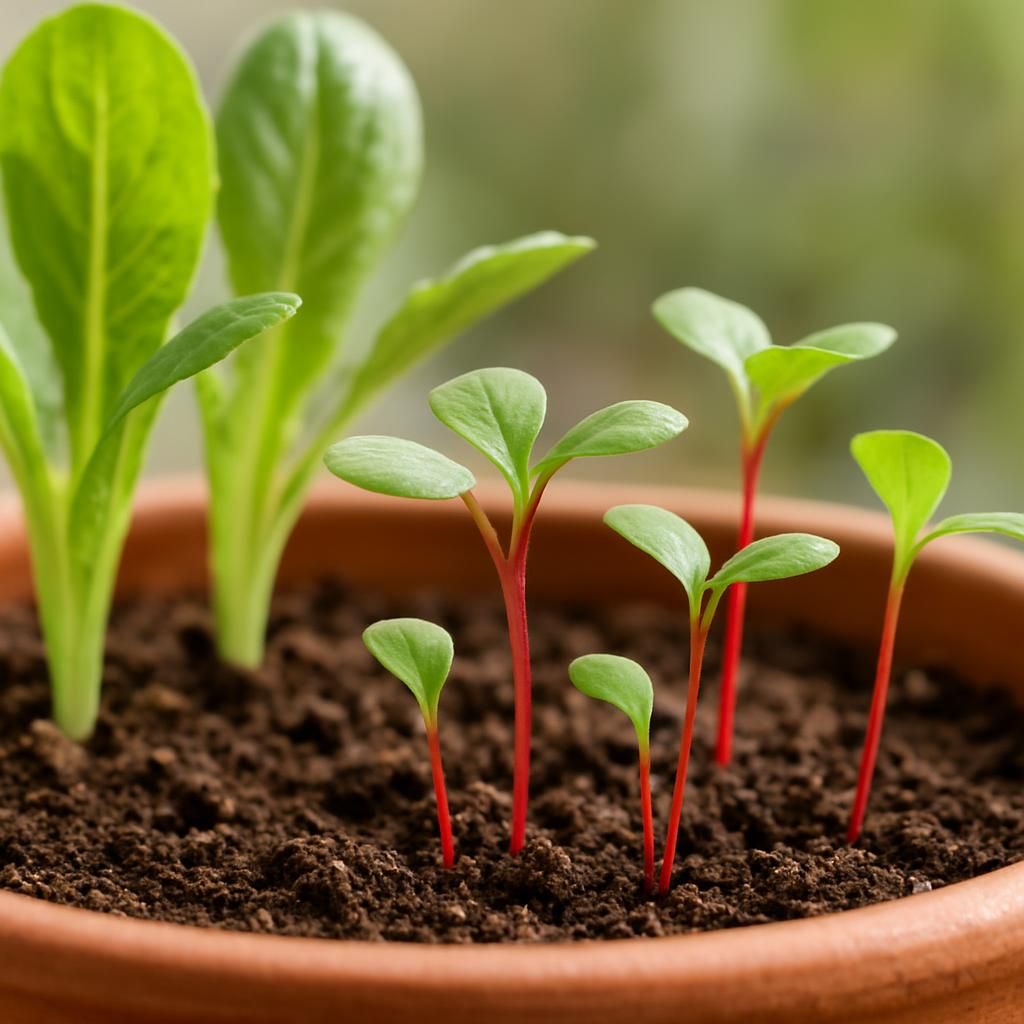
Gardeners growing Romaine Lettuce (Parris Island) in pots frequently notice unexpected red sprouts emerging alongside their crop. These red-stemmed seedlings can quickly compete for nutrients, water, and light, potentially stunting lettuce growth if left unchecked. Understanding their origin and implementing targeted organic control ensures healthy romaine harvests while maintaining soil vitality.
Common Causes
Red sprouts in containers usually originate from weed seeds present in purchased potting mixes, garden soil, or wind-blown sources. Common culprits include species such as redroot pigweed and certain amaranth relatives that exhibit distinctive reddish stems and cotyledons at the seedling stage.
Several factors increase the likelihood of these sprouts:
- Contaminated or reused potting media containing dormant weed seeds
- Warm, moist conditions ideal for rapid germination
- Proximity to outdoor areas where weeds have already set seed
These seedlings often appear within the first two to three weeks after planting romaine, coinciding with the lettuce's own germination period.
Step-by-Step Organic Solutions
Step 1: Accurate Identification
Examine the sprouts closely under good light. Red stems paired with oval, smooth cotyledons typically indicate pigweed-type weeds rather than your lettuce variety. Confirm they are not intentional seedlings such as red amaranth before proceeding.
Step 2: Gentle Removal
Water the pot thoroughly to soften the soil. Use sterilized tweezers or small scissors to snip the sprouts at soil level rather than pulling, which can disturb romaine roots. Perform this task in the morning when seedlings are turgid for easier handling.
Step 3: Mulching
Apply a thin layer (1-2 cm) of organic mulch such as finely shredded leaves or coconut coir around the lettuce plants. This blocks light from reaching any remaining weed seeds and helps retain moisture for the crop.
Step 4: Soil Solarization (for Severe Cases)
If infestation is heavy, empty the container, spread the soil in a thin layer on a dark plastic sheet, and cover it with clear plastic for 4-6 weeks during hot weather. This heat treatment kills many weed seeds without chemicals.
Step 5: Companion Planting
Introduce low-growing beneficial plants such as Clover between lettuce rows to outcompete future weeds naturally.
Prevention Tips
- Always use fresh, sterilized potting mix for container plantings
- Cover newly sown pots with row cover fabric until lettuce seedlings are established
- Water at the base of plants only to reduce surface moisture that encourages weed germination
- Rotate container locations yearly and refresh the top 5 cm of soil between crops
- Inspect new potting mixes visually before use and discard any that contain visible seeds
Maintaining these practices reduces future red sprout occurrences by over 80 percent in most container gardens.
| Practice | Frequency | Benefit |
|---|---|---|
| Sterilized mix | Every planting | Eliminates seed bank |
| Mulching | After thinning | Suppresses light |
| Morning inspection | Weekly | Early removal |
| Soil solarization | Annually if needed | Long-term seed kill |