Introduction
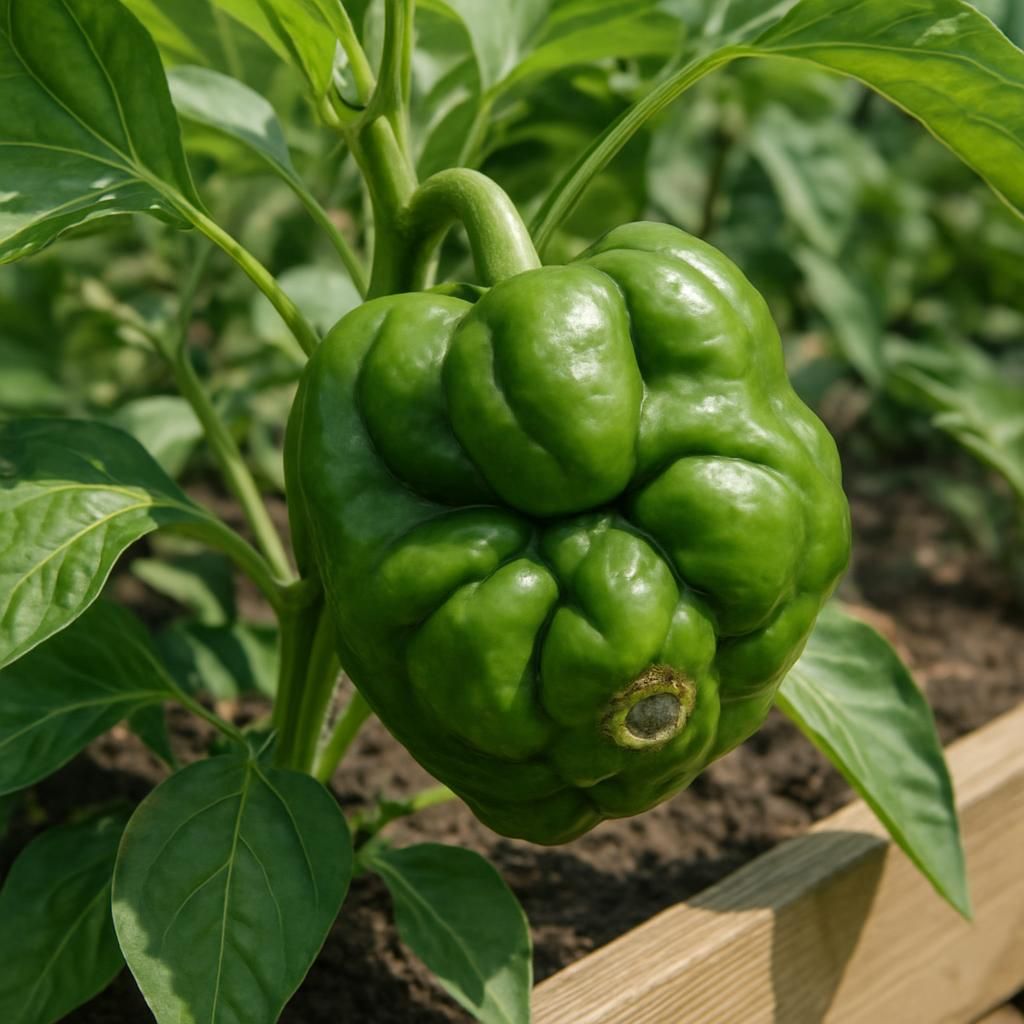
Bell peppers are a favorite among home gardeners, but many encounter the frustrating issue of misshapen or deformed fruits. When peppers develop irregularly--appearing lumpy, twisted, or with sunken areas--it often signals underlying problems with pollination, nutrients, or growing conditions. Understanding these causes allows you to intervene effectively and enjoy a bountiful harvest of perfectly formed peppers.
This guide explores the most common reasons for abnormal bell pepper growth and provides practical, organic-first strategies to correct and prevent the problem.
Common Causes
Several factors can lead to misshapen bell peppers. Identifying the specific trigger in your garden is the first step toward resolution.
| Cause | Description | Typical Symptoms |
|---|---|---|
| Temperature Fluctuations | Daytime highs above 85°F or nighttime lows below 60°F disrupt flower development | Small, catfaced, or scarred fruits |
| Poor Pollination | Lack of insect activity or high humidity prevents proper pollen transfer | Lopsided or partially developed peppers |
| Calcium Deficiency | Inconsistent soil moisture blocks calcium uptake even when present | Blossom end rot combined with irregular shapes |
| Water Stress | Over- or under-watering causes uneven cell expansion in developing fruit | Cracked, dimpled, or elongated peppers |
| Boron Imbalance | Low boron levels affect cell wall formation | Stunted growth with rough, bumpy surfaces |
These issues frequently overlap, especially in Bell Pepper varieties grown in variable climates.
Step-by-Step Organic Solutions
Follow this systematic approach to restore normal fruit development.
Step 1: Assess and Amend Soil Nutrients
Test soil pH and nutrient levels. Bell peppers prefer a pH between 6.0 and 6.8. If calcium is low, incorporate crushed eggshells or agricultural lime at a rate of 2 pounds per 100 square feet. For boron, apply a very dilute solution of 1 tablespoon of borax dissolved in 12 gallons of water as a foliar spray once.
Step 2: Optimize Watering Practices
Maintain consistent soil moisture by watering deeply 1-2 times per week, providing about 1-1.5 inches of water total. Use drip irrigation or soaker hoses to avoid wetting foliage. Apply a 2-3 inch layer of organic mulch such as straw or shredded leaves to stabilize moisture and temperature.
Step 3: Improve Pollination
Encourage pollinators by planting companion flowers like nasturtiums or borage nearby. On still days, gently shake plants mid-morning to distribute pollen. Avoid broad-spectrum insecticides that harm beneficial insects.
Step 4: Manage Temperature Stress
Provide afternoon shade cloth (30-40% shade) during heat waves. In cooler periods, use row covers to raise nighttime temperatures. Transplant peppers only after soil has warmed to at least 65°F.
Step 5: Monitor and Remove Affected Fruits
Harvest any severely deformed peppers early to redirect plant energy toward new, healthy growth. Continue regular feeding with compost tea every two weeks.
Prevention Tips
Prevent future deformities by building healthy growing conditions from the start.
- Rotate crops annually and avoid planting Bell Pepper or related nightshades in the same spot more than once every three years.
- Choose heat-tolerant varieties suited to your region.
- Side-dress with well-rotted compost mid-season to maintain steady nutrient availability.
- Keep garden beds weed-free and practice good airflow between plants spaced 18-24 inches apart.
- Monitor weather forecasts and protect plants proactively during extreme conditions.
By addressing the root causes of irregular growth through balanced nutrition, consistent moisture, and supportive environmental management, gardeners can significantly improve bell pepper quality and yield season after season.