Introduction
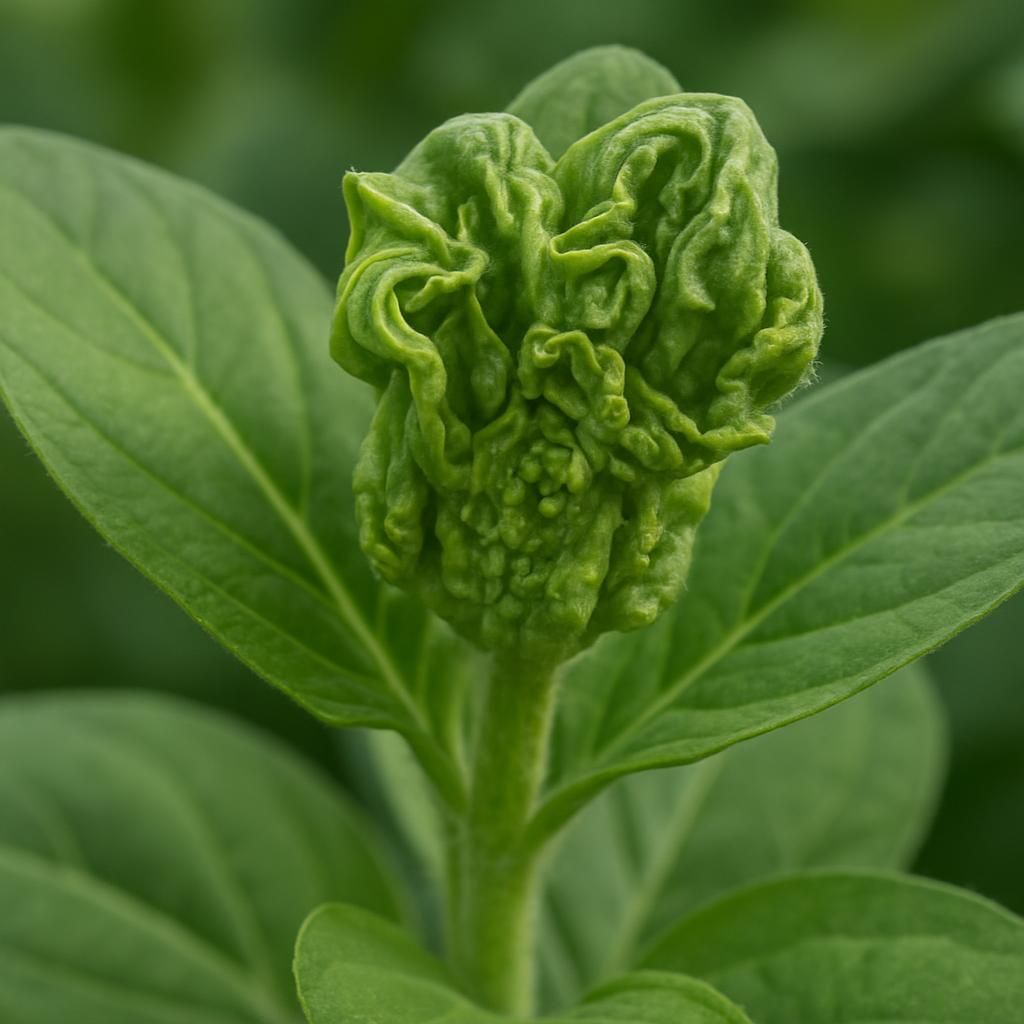
Curled, twisted, or otherwise distorted new growth on zinnias is a frequent complaint among gardeners. This symptom often appears suddenly on tender tips and young leaves, making plants look unhealthy and reducing flower production. While the issue can stem from several sources, it is most commonly linked to insect pressure in organic gardens. Addressing the problem early prevents spread and helps zinnias recover quickly without synthetic chemicals.
Common Causes
Several factors can produce curled foliage on zinnias. The most frequent organic culprits include:
- Aphids: These tiny sap-sucking insects cluster on new growth, injecting toxins that cause leaves to pucker and curl.
- Thrips: Minute, slender insects that rasp plant cells, leading to silvery streaks and deformed emerging leaves.
- Herbicide drift: Even organic gardeners can experience damage from nearby conventional spraying, resulting in tightly rolled or cupped foliage.
- Environmental stress: Extreme heat, inconsistent watering, or poor air circulation can mimic pest symptoms.
| Cause | Typical Signs | Speed of Onset |
|---|---|---|
| Aphids | Sticky honeydew, visible clusters, yellowing | 3-7 days |
| Thrips | Silvery scarring, black fecal spots | 5-10 days |
| Herbicide drift | Uniform cupping across multiple plants | 1-3 days |
| Heat stress | Wilting plus curling only during peak sun | Daily pattern |
Step-by-Step Organic Solutions
Follow this sequence to diagnose and treat the problem while staying true to organic principles.
1. Confirm the Diagnosis
Inspect the undersides of curled leaves with a magnifying glass or phone macro lens. Look for moving insects, honeydew, or silvery trails. If no insects are visible, consider recent spraying activity in the neighborhood.
2. Physical Removal
- Blast plants with a strong stream of water from a hose every morning for three consecutive days. This dislodges most aphids and thrips.
- Prune severely distorted tips and dispose of them in the trash rather than compost to reduce pest populations.
3. Apply Organic Sprays
- Mix 1 teaspoon of pure castile soap with 1 quart of water and spray thoroughly, focusing on new growth. Repeat every 3-4 days until symptoms cease.
- For persistent thrips, use neem oil diluted at 1 ounce per gallon of water plus a few drops of insecticidal soap as a spreader. Apply in the evening to avoid leaf burn.
4. Encourage Beneficial Insects
Introduce or attract ladybugs, lacewings, and parasitic wasps by planting Dill or Yarrow nearby. These predators keep aphid numbers below damaging thresholds naturally.
5. Improve Growing Conditions
Ensure zinnias receive at least six hours of direct sun, consistent moisture, and good airflow. Avoid overhead watering late in the day, which can worsen fungal issues that sometimes accompany insect damage.
Prevention Tips
Prevent future outbreaks with these cultural practices:
- Space plants 12-18 inches apart to promote air circulation.
- Mulch with straw or shredded leaves to reduce soil splash and maintain even moisture.
- Rotate zinnia plantings each season and remove all crop debris in fall.
- Monitor new transplants closely for the first two weeks, as tender growth is most susceptible.
Regular scouting combined with early intervention using the methods above will keep zinnias producing abundant, straight-stemmed blooms throughout the season.