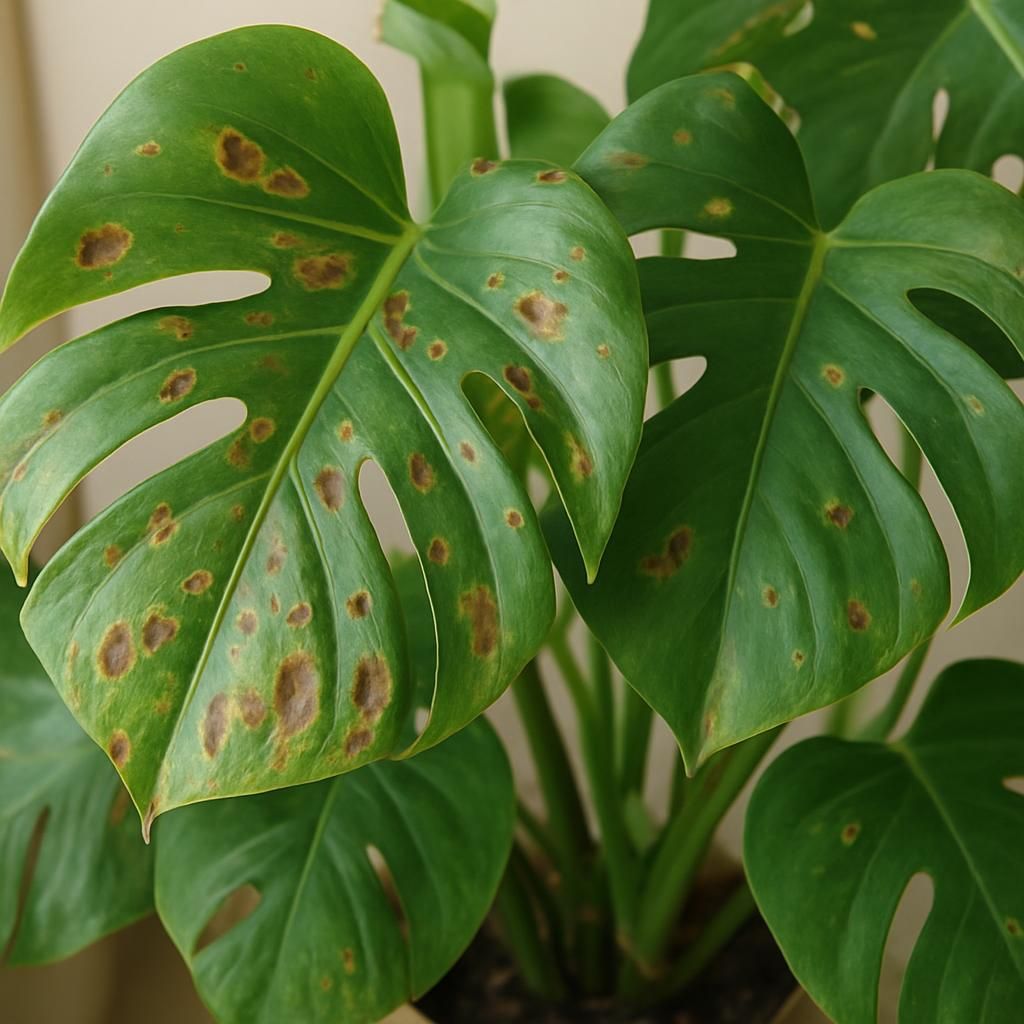
How to Identify and Fix Brown Spots on Monstera Leaves
Brown spots on Monstera leaves are a frequent concern for indoor gardeners. These unsightly marks can signal underlying stress from environmental factors, watering issues, or pathogens. Addressing them promptly helps restore vibrant foliage and prevents further damage.
Introduction
When brown spots suddenly appear on your Monstera, it often indicates an imbalance in care rather than a terminal problem. Monstera deliciosa and its relatives thrive in warm, humid conditions mimicking tropical rainforests. Spots may start small and expand, turning leaves yellow or causing them to drop. Early diagnosis through careful observation of spot location, texture, and accompanying symptoms is essential for effective management.
Common Causes
Several factors contribute to brown spotting. Understanding each helps narrow down the culprit.
Overwatering and Root Rot
Excess moisture suffocates roots, leading to fungal invasion. Spots often appear as soft, dark brown patches near leaf edges or centers, accompanied by wilting.
Low Humidity
Dry indoor air causes leaf tips and margins to brown first. This physiological issue is common in heated homes during winter.
Fungal or Bacterial Infections
Pathogens like Alternaria or bacterial leaf spot create circular lesions with yellow halos. These spread rapidly in crowded, poorly ventilated spaces.
Sunburn or Light Stress
Direct sunlight scorches leaves, producing crisp, bleached-brown areas. Monstera prefers bright indirect light.
Nutrient Imbalances or Pests
Excess salts from fertilizer or spider mite damage can mimic spotting. Check undersides of leaves for webbing or stippling.
| Cause | Spot Characteristics | Associated Symptoms |
|---|---|---|
| Overwatering | Soft, dark centers | Yellowing, mushy stems |
| Low Humidity | Crispy edges | Curling leaves |
| Fungal | Circular with halo | Rapid spread |
| Sunburn | Bleached patches | Only on exposed sides |
Step-by-Step Organic Solutions
Follow these methods using natural ingredients to resolve brown spots without synthetic chemicals.
Step 1: Assess and Isolate
Examine all leaves under good light. Isolate the affected Monstera from other houseplants to limit potential spread.
Step 2: Adjust Watering Practices
Allow the top two inches of soil to dry between waterings. Use room-temperature rainwater or filtered water. Repot in fresh, well-draining mix if roots show rot.
Step 3: Increase Humidity Organically
Group plants together or place on a pebble tray with water. Mist leaves lightly in the morning using a spray bottle.
Step 4: Apply Natural Treatments
- Prune damaged leaves with sterilized shears.
- Spray a solution of 1 teaspoon neem oil, 1 teaspoon castile soap, and 1 quart water weekly.
- Dust leaves with cinnamon powder on cut surfaces as a natural antifungal.
Step 5: Optimize Light and Airflow
Move to bright indirect light. Use a small fan on low to improve circulation without direct drafts.
Monitor progress over 2-4 weeks. New growth should emerge spot-free.
Prevention Tips
Maintain consistent care to avoid recurrence.
- Water only when soil is dry; use terracotta pots for better evaporation.
- Keep humidity above 60% with natural methods.
- Fertilize monthly during growth season with diluted compost tea.
- Clean leaves monthly with a damp cloth to remove dust and deter pests.
- Repot every 2-3 years in a chunky aroid mix containing orchid bark and perlite.
Regular observation catches issues before they worsen. With these organic approaches, your Monstera will regain lush, spot-free foliage.