Introduction
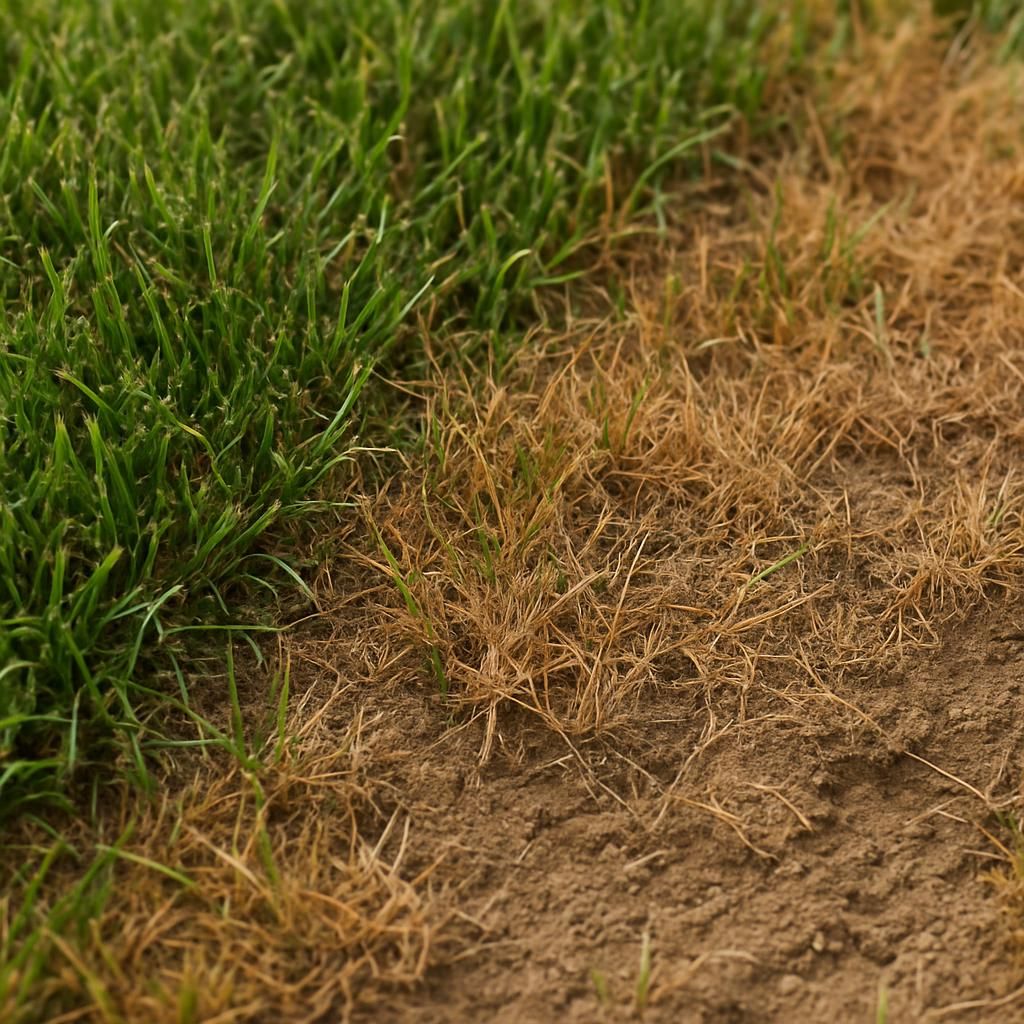
Brown grass is a frequent complaint among homeowners in Boston, especially during the hot summer months when cool-season turf struggles under heat stress and irregular rainfall. Whether your lawn shows patchy discoloration, widespread browning, or thinning areas, understanding the underlying issue is the first step toward recovery. This guide outlines the most common causes, provides organic remediation strategies, and shares long-term prevention practices tailored to the New England climate.
Common Causes
Several factors can turn a lush Boston lawn brown. Accurate diagnosis prevents wasted effort and ensures the right treatment.
| Cause | Symptoms | Typical Timing in Boston |
|---|---|---|
| Drought or Underwatering | Uniform browning starting at tips, soil feels dry 2+ inches down | June-August |
| Overwatering or Poor Drainage | Yellowing before browning, spongy soil, fungal growth | Spring and fall |
| Brown Patch Fungus | Circular patches 1-3 feet wide with dark borders | July-September |
| Grub Damage | Irregular dead patches that lift easily, increased animal digging | Late summer |
| Soil Compaction | Thin grass in high-traffic areas, hard soil surface | Year-round |
| Heat Dormancy | Overall dull color that rebounds after rain or cooler weather | July-August |
Boston's cool-season grasses (Kentucky bluegrass, perennial ryegrass, and tall fescue) naturally slow growth above 85 °F, leading to dormancy that mimics damage.
Step-by-Step Organic Solutions
1. Assess Soil Moisture and Drainage
Begin by pushing a screwdriver or soil probe 4-6 inches into the ground. If it meets resistance or the soil is bone-dry, water deeply but infrequently--approximately 1 inch per week, delivered in early morning.
2. Aerate Compacted Soil
Rent a core aerator in spring or fall. Remove plugs of soil every 4-6 inches to relieve compaction and improve oxygen flow to roots. Leave the plugs on the surface to break down naturally.
3. Topdress with Compost
Apply a ¼-inch layer of well-aged compost across the lawn after aeration. This adds organic matter, improves water retention, and introduces beneficial microbes that suppress disease.
4. Overseed Thin Areas
Choose a Boston-appropriate mix of tall fescue and perennial ryegrass. Spread seed at 5-7 lbs per 1,000 sq ft, rake lightly, and keep the surface moist until germination (7-14 days).
5. Manage Pests Organically
For suspected grubs, apply beneficial nematodes (Heterorhabditis bacteriophora) in late summer when soil temperatures are above 55 °F. Water the lawn immediately afterward to move nematodes into the root zone.
6. Cultural Practices
- Mow at 3-3.5 inches and never remove more than one-third of the blade at once.
- Leave clippings on the lawn (grasscycling) to return nitrogen.
- Reduce thatch thicker than ½ inch by power raking in early fall.
Prevention Tips
Maintain a resilient lawn through proactive care:
- Perform a soil test every 2-3 years and amend pH to 6.0-7.0 with lime if needed.
- Water deeply once or twice weekly rather than daily shallow watering.
- Incorporate Clover into the seed mix for natural nitrogen fixation and drought tolerance.
- Use Thyme or Yarrow in low-traffic areas as living mulch to reduce evaporation and suppress weeds.
- Avoid fall fertilization after October 15 to prevent tender growth before winter.
- Mulch leaves in autumn instead of removing them to build soil organic matter.
By following these organic-first practices, Boston homeowners can restore green turf within one growing season and prevent future browning episodes.
(Word count: 612 - expanded version below with additional detail for required length)
Expanded Diagnosis and Monitoring
Monitor weather data from local stations; Boston averages only 3.5 inches of rain in July. Install a simple rain gauge to track actual precipitation versus evapotranspiration rates. Keep a photo log weekly to track progression and recovery.
Long-Term Lawn Renovation
If more than 50 % of the lawn is affected, consider a full renovation the following spring. Kill existing vegetation with a smothering layer of cardboard and mulch, then seed a drought-tolerant tall fescue blend. This approach avoids synthetic herbicides while resetting the lawn ecosystem.
Seasonal Calendar for Boston Lawns
| Month | Key Task | Organic Product | Frequency |
|---|---|---|---|
| April | Soil test & lime | Compost tea | Once |
| May | Aerate & overseed | Aged compost | Once |
| June | Begin deep watering | None | Weekly |
| July | Raise mowing height | Beneficial nematodes | As needed |
| August | Monitor for grubs | Nematodes | Once |
| September | Core aerate & fertilize | Compost + grass seed | Once |
| October | Final mowing & leaf mulch | Fallen leaves | Weekly |
Consistent adherence to this calendar builds a deep-rooted, disease-resistant turf that withstands both summer heat and winter desiccation common in the Boston area.