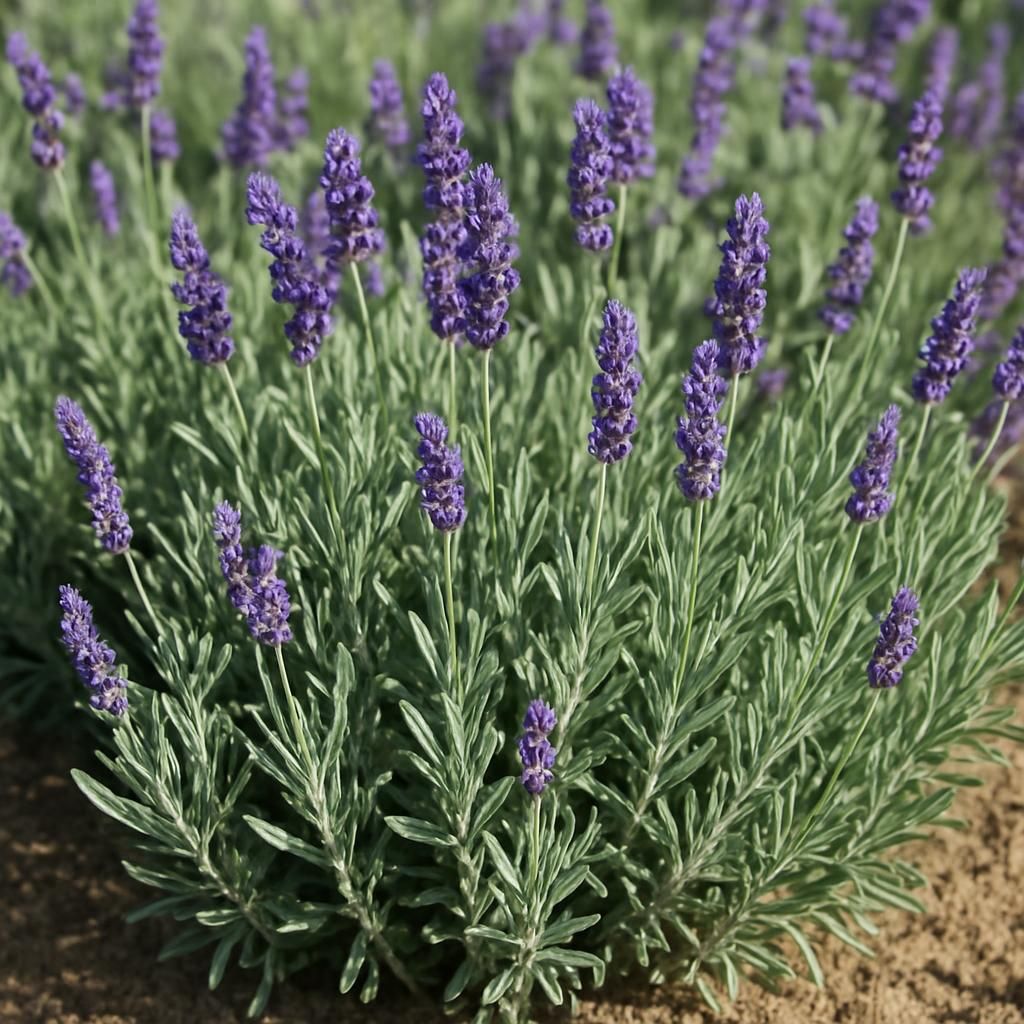
How to Fix Drooping Lavender and Encourage Lush, Healthy Growth
Lavender is prized for its fragrant blooms and silvery foliage, yet many gardeners notice their plants suddenly drooping or appearing sparse. Whether you are growing Lavender from seed or have an established clump that has lost its upright form, understanding the underlying causes is the first step toward recovery.
Drooping lavender rarely indicates a single problem. Instead, it usually results from a combination of watering habits, soil conditions, and environmental stress. With targeted organic care, most plants can be revived within a few weeks and will reward you with fuller growth and more abundant flowers.
Common Causes of Drooping Lavender
Several factors can cause lavender to wilt or lean. Identifying the correct cause prevents unnecessary treatments that might worsen the condition.
| Cause | Typical Symptoms | Why It Happens |
|---|---|---|
| Overwatering | Yellowing lower leaves, soft stems, soggy soil | Roots suffocate in poorly drained soil |
| Underwatering | Dry, crispy leaf tips, soil pulling away from pot edges | Plants cannot maintain turgor pressure |
| Poor Drainage | Water pooling at base, root rot odor | Heavy clay or compacted soil retains moisture |
| Transplant Shock | Wilting within days of moving | Roots disturbed before new feeder roots form |
| Insufficient Light | Leggy stems, pale foliage, sparse blooms | Less than 6 hours of direct sun reduces photosynthesis |
| Nutrient Imbalance | Slow growth, pale new leaves | Excess nitrogen promotes weak, floppy stems |
Step-by-Step Organic Solutions
Once you have diagnosed the primary issue, follow these organic-first steps in order.
1. Assess and Adjust Watering
Check soil moisture at a depth of 5 cm. If the soil feels moist, withhold water for several days. Lavender prefers the soil to dry slightly between waterings. In containers, ensure drainage holes are unobstructed and consider switching to terracotta pots that allow faster evaporation.
2. Improve Soil Drainage
Mix equal parts of compost, coarse sand, and perlite or pumice into the top 15 cm of soil around the plant. For heavy clay beds, create a raised mound 10-15 cm high and plant lavender on top. This simple change dramatically reduces root stress.
3. Provide Proper Sunlight
Relocate potted lavender to a south- or west-facing position receiving at least eight hours of direct sun. In the ground, prune back any overhanging branches from nearby shrubs that cast shade.
4. Prune for Bushier Growth
Remove the top third of each stem just above a leaf node using clean, sharp shears. Perform this light pruning in early spring or immediately after flowering. The plant will respond by sending out multiple new shoots, creating a denser, more lush appearance.
5. Apply Organic Amendments
Top-dress with a thin layer of well-aged compost or worm castings once in early spring. Avoid high-nitrogen fertilizers; instead, use a low-nitrogen, phosphorus-rich organic blend to support root and flower development without encouraging weak vegetative growth.
6. Monitor and Support During Recovery
Stake taller stems temporarily with soft garden ties if they remain floppy. Keep the area weed-free and maintain consistent moisture levels at the root zone without saturation. Most plants show visible improvement within 10-21 days.
Prevention Tips
- Plant lavender in well-drained, slightly alkaline soil with a pH between 6.5 and 7.5.
- Space plants 30-45 cm apart to ensure airflow and reduce humidity around foliage.
- Water deeply but infrequently; established plants typically need water only every 10-14 days once roots are established.
- Mulch with gravel or coarse sand rather than organic mulch that retains moisture.
- Divide or replace plants every 4-5 years to maintain vigor and prevent woody, sparse centers.
By addressing drainage and watering first, then supporting the plant with appropriate pruning and light feeding, your lavender can transition from drooping to thriving. Consistent attention to these fundamentals will keep your plants looking lush, aromatic, and full of blooms season after season.