Introduction
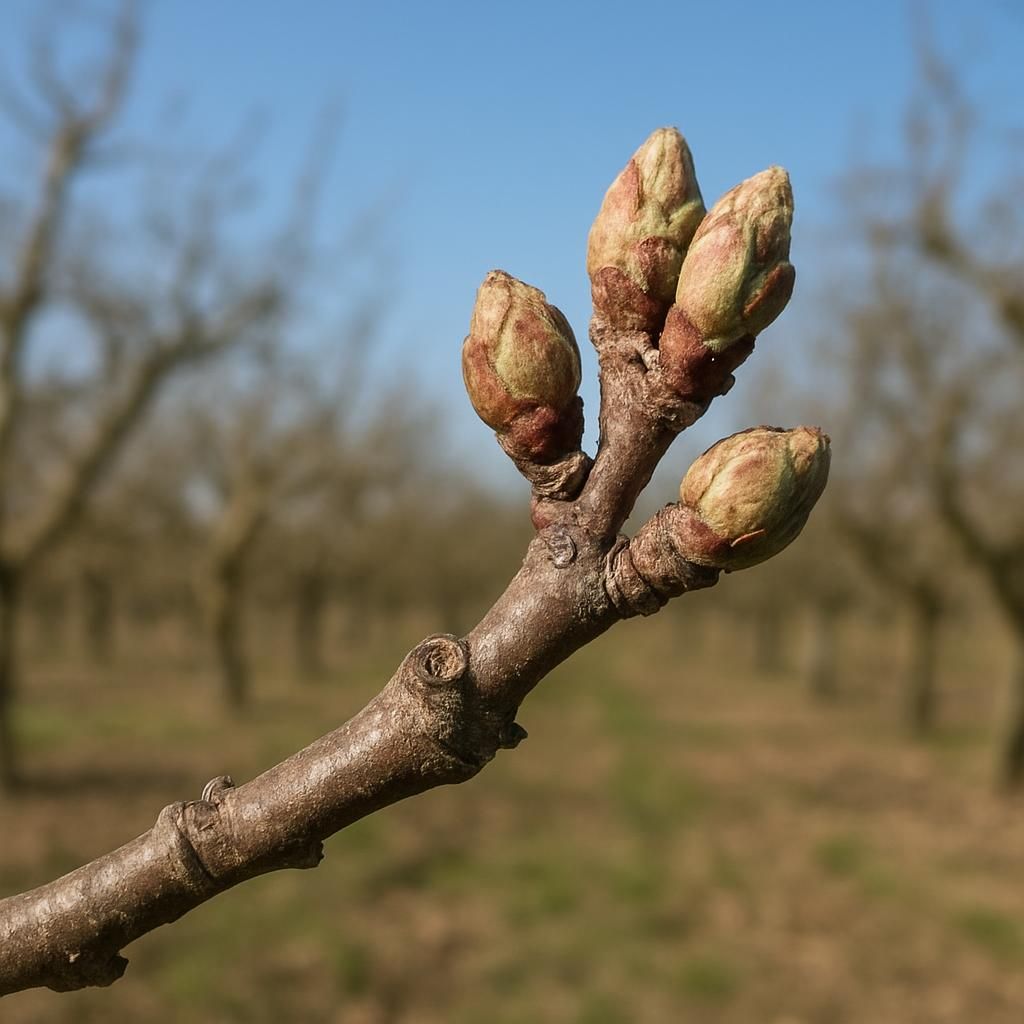
Many gardeners notice their apple trees remaining bare long after neighboring trees have leafed out and flowered. This phenomenon, often called "oversleeping," refers to delayed bud break where the tree fails to emerge from winter dormancy on schedule. Late bud break reduces the growing season, lowers fruit yield, and can make trees more vulnerable to pests. Understanding the underlying causes and applying targeted organic solutions helps restore normal growth cycles while maintaining tree health.
Common Causes
Delayed bud break in apple trees usually stems from environmental or physiological factors. The most frequent causes include:
- Insufficient winter chill hours: Apple varieties require a specific number of hours between 32°F and 45°F to break dormancy properly. Warm winters in milder climates often fail to meet this requirement.
- Late or inconsistent spring temperatures: Sudden cold snaps after initial warming can force trees back into dormancy, while prolonged cool springs slow metabolic processes.
- Tree stress from the previous season: Drought, nutrient deficiencies, or heavy pest pressure can weaken trees, causing them to conserve energy and delay spring growth.
- Improper pruning or young tree age: Over-pruning or very young trees may lack the stored energy reserves needed for early bud break.
- Varietal mismatch with local climate: Some apple cultivars need more chill hours than others and will naturally wake later in regions that do not provide enough cold.
Step-by-Step Organic Solutions
Addressing delayed bud break requires a systematic approach focused on supporting the tree's natural rhythms.
1. Assess Chill Hour Accumulation
Record winter temperatures using a simple thermometer or local weather data. Compare accumulated hours against the needs of your specific variety. If chill hours are low, select low-chill cultivars for future plantings.
2. Improve Soil Health and Moisture
Apply a 2-3 inch layer of organic mulch such as wood chips or compost around the base of the tree, keeping it away from the trunk. This moderates soil temperature and retains moisture. Water deeply once every 7-10 days during dry spells to reduce stress.
3. Apply Balanced Organic Fertilizers
In early spring, spread well-aged compost or a slow-release organic fertilizer high in nitrogen around the drip line. Avoid high-nitrogen synthetic products that can push tender growth too early.
4. Practice Dormancy-Breaking Pruning
Perform dormant pruning in late winter while trees are still leafless. Remove dead or crossing branches to improve light penetration and air flow, which can stimulate more uniform bud break.
5. Use Natural Dormancy-Breaking Sprays
Apply horticultural oils or kaolin clay sprays in late winter to protect buds and reduce disease pressure. Some growers use diluted seaweed extract sprays to provide trace minerals that support metabolic activity once temperatures rise.
6. Monitor and Protect Against Late Frost
Install frost protection such as row covers or wind machines if late frosts are forecast. Protecting emerging buds prevents them from being damaged and reverting to dormancy.
Prevention Tips
Prevent future dormancy issues by matching trees to your climate and providing consistent care.
| Practice | Recommended Action | Timing |
|---|---|---|
| Site Selection | Plant in areas with good air drainage and full sun | Fall |
| Variety Choice | Select cultivars suited to your average chill hours | Planning stage |
| Mulching & Watering | Maintain consistent soil moisture with organic mulch | Year-round |
| Annual Pruning | Remove 20-25% of canopy during dormancy | Late winter |
| Pest Monitoring | Scout regularly and use organic controls early | Spring-Fall |
Choose disease-resistant varieties such as Apple cultivars known for reliable performance in your region. Rotate companion plantings with species like Clover to improve soil biology. Track yearly chill hour data to anticipate problems before they appear. With these organic practices, apple trees can establish predictable growth patterns and produce abundant harvests season after season.