Introduction
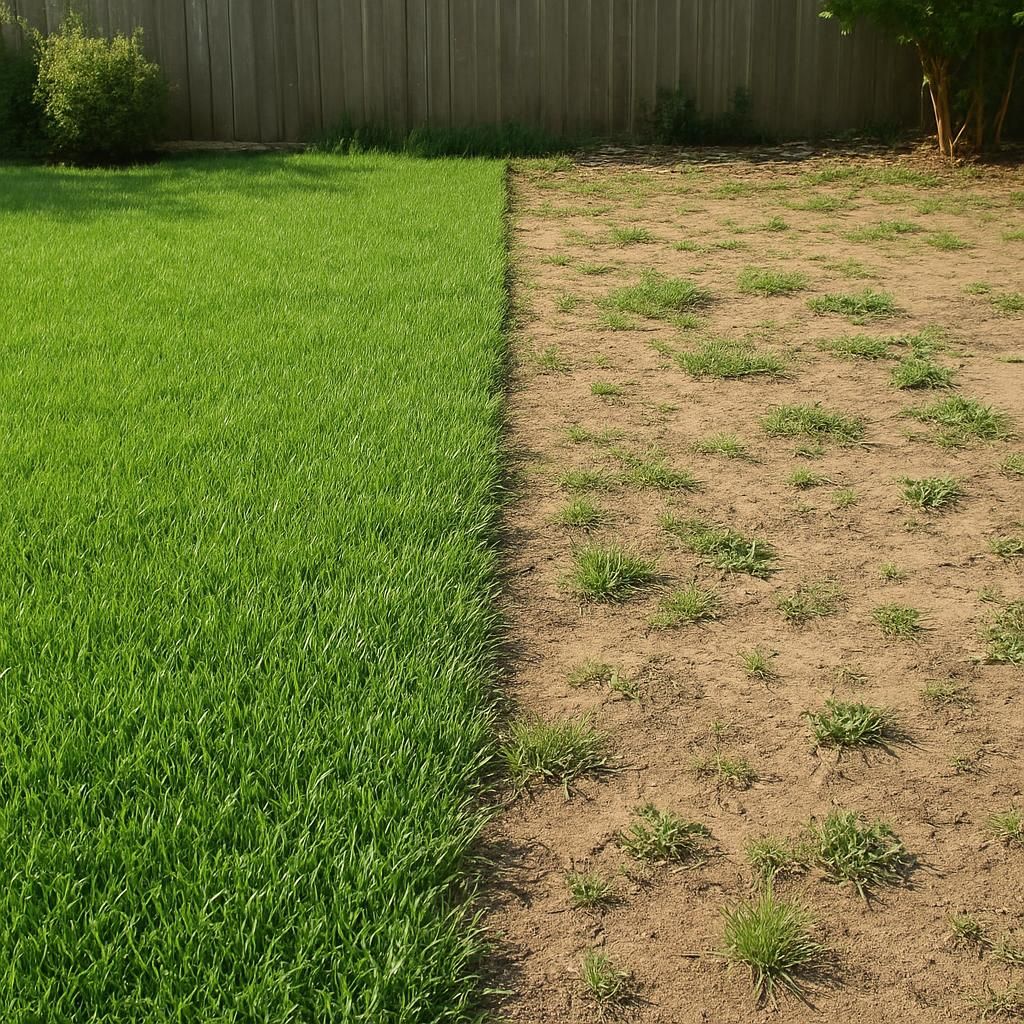
A lawn that grows well on one side but remains bare or thin on the other is a common frustration for homeowners. When grass refuses to establish across half your yard, the issue is rarely random. Instead, it usually points to specific environmental, soil, or cultural conditions that can be identified and corrected using organic methods. This guide walks through the most frequent causes and provides a clear, step-by-step plan to bring the entire lawn back to uniform health.
Common Causes
Several factors can create a sharp divide in grass growth. Understanding each one helps target the right solution.
| Cause | Typical Signs | Most Affected Areas |
|---|---|---|
| Compacted soil | Hard surface, water pools or runs off quickly | High-traffic zones, construction areas |
| Insufficient sunlight | Thin growth only on shaded side | North-facing slopes, under trees |
| Poor drainage | Soggy soil after rain, yellowing before death | Low spots, clay-heavy sections |
| Nutrient imbalance | Pale color, slow growth despite watering | Areas with heavy leaf removal or erosion |
| Pest pressure | Irregular dead patches, visible insects or grubs | Warm-season turf near garden beds |
| Incorrect grass species | Patchy results after overseeding | Transition zones with mixed sun and shade |
Step-by-Step Organic Solutions
1. Assess and Test the Soil
Begin by performing a simple soil test. Collect samples from both the healthy and bare halves of the lawn. Send them to a local extension service or use an at-home organic kit. Note pH, organic matter, and major nutrient levels. Most grasses prefer a pH between 6.0 and 7.0. If the bare side shows compaction or low organic matter, proceed to aeration.
2. Relieve Soil Compaction
Rent a core aerator and run it across the thin areas in two directions. Remove the plugs and leave them on the surface to break down naturally. Follow immediately with a top-dressing of ¼ inch of finished compost. This introduces beneficial microbes and improves structure without synthetic additives. Water lightly to settle the compost.
3. Improve Sunlight and Air Circulation
If shade from trees or buildings is the culprit, selectively prune lower limbs to allow at least six hours of direct sun. For persistent shade, consider overseeding with a shade-tolerant grass mix that includes fine fescues. Avoid planting aggressive trees that drop heavy leaf litter.
4. Correct Drainage Issues
Create gentle swales or install French drains to redirect water away from low spots. Amend heavy clay with generous amounts of compost and coarse sand. Raised beds or re-grading may be necessary for severe cases. Always work on a slight slope so water moves away from the house foundation.
5. Rebuild Soil Biology and Nutrients
Apply a ½-inch layer of well-aged compost or worm castings across the entire lawn twice a year--once in spring and again in early fall. Supplement with organic fertilizers such as feather meal or bone meal based on soil-test results. Introduce Clover seed into the mix at 1-2 pounds per 1,000 square feet; clover fixes nitrogen naturally and supports pollinators.
6. Overseed and Mulch
Choose a regionally appropriate grass seed blend. Rake the area lightly, spread seed at the recommended rate, then cover with a thin layer of straw or peat moss to retain moisture. Keep the seedbed consistently moist for 14-21 days. In cooler climates, a light application of Rye as a nurse crop can protect young seedlings.
7. Monitor and Maintain
Mow at the proper height for your grass type (never remove more than one-third of the blade at once). Leave clippings on the lawn to recycle nutrients. Water deeply but infrequently--about one inch per week--to encourage deep roots.
Prevention Tips
- Aerate and top-dress with compost every two to three years to prevent future compaction.
- Choose grass varieties matched to your microclimate and sun exposure before initial installation.
- Rotate traffic patterns and avoid parking vehicles or equipment on the same turf areas repeatedly.
- Maintain a 2-3 inch mowing height and never cut grass shorter than recommended.
- Incorporate Clover or other legumes into the lawn mix to reduce the need for additional nitrogen.
- Perform annual soil tests and adjust amendments before problems become visible.
- Mulch leaves in place during fall rather than raking them away; this builds organic matter naturally.
By systematically addressing soil health, light, water, and biology, you can transform a half-bare lawn into a consistently lush, resilient turf using only organic practices. The results typically appear within one growing season and improve steadily with continued care.