Introduction
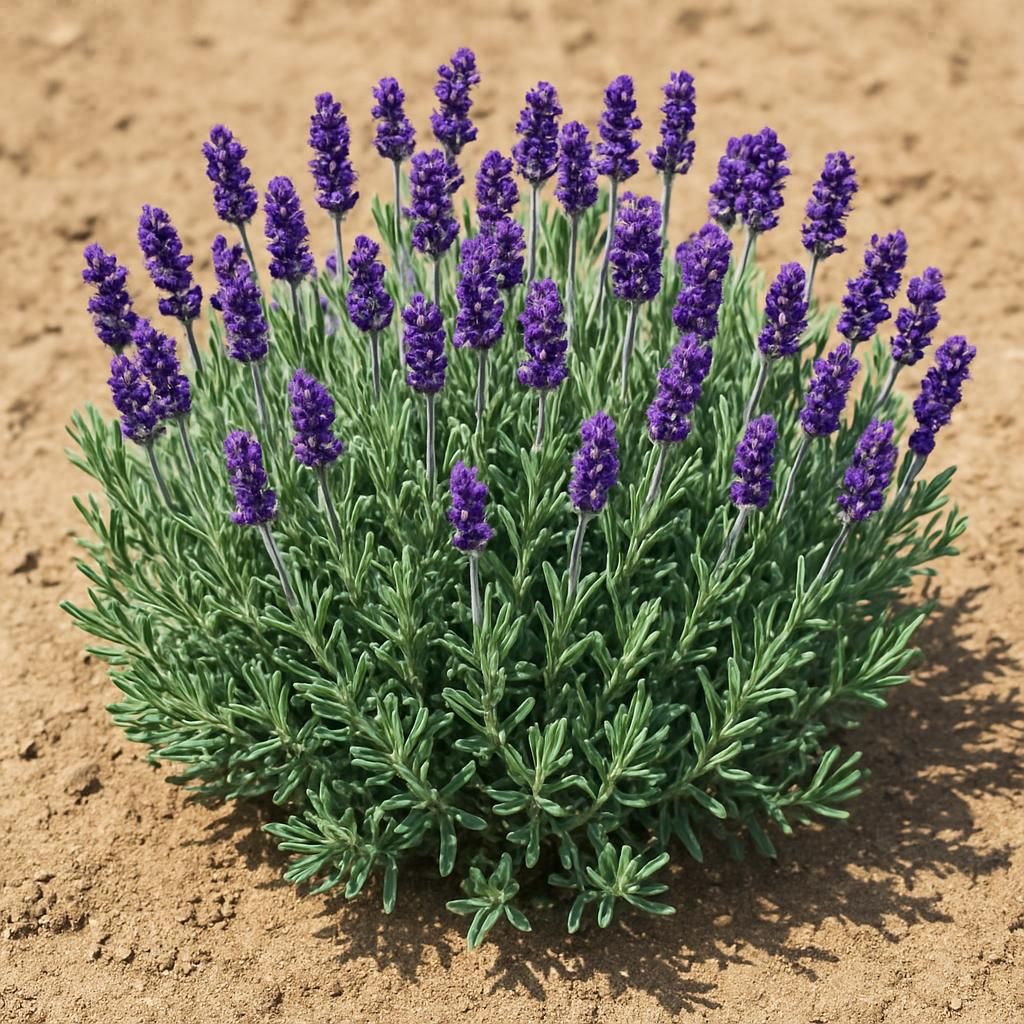
Lavender is prized for its fragrant foliage, vibrant flowers, and ability to thrive in challenging conditions. When plants begin growing in unexpected ways--such as becoming tall and spindly, producing few blooms, or showing sparse foliage--it signals an underlying imbalance in their environment. These growth issues are common among home gardeners and commercial growers alike. Understanding the specific symptoms allows for targeted corrections that promote compact, bushy plants with strong stems and prolific flowering.
This guide examines the most frequent causes of abnormal lavender growth and provides practical, organic-first strategies to correct them. By addressing soil conditions, watering practices, and cultural requirements, you can restore vigor to struggling plants and prevent future problems.
Common Causes
Several interconnected factors typically contribute to poor lavender growth. Identifying the primary issue requires observing plant symptoms alongside growing conditions.
Insufficient Sunlight
Lavender requires at least six to eight hours of direct sunlight daily. Inadequate light causes stems to stretch toward available light sources, resulting in leggy, weak growth and reduced flowering. Shaded plantings often appear sparse with pale green foliage.
Overwatering and Poor Drainage
Lavender is highly susceptible to root rot in consistently moist soil. Overwatering or heavy clay soils that retain moisture lead to yellowing lower leaves, wilting despite wet soil, and stunted overall development. This Mediterranean native prefers dry conditions between waterings.
Incorrect Soil Composition
Lavender thrives in lean, well-drained, slightly alkaline soils with low fertility. Rich garden soil or excessive organic matter promotes lush leafy growth at the expense of flowers and creates conditions for fungal issues. Soil pH below 6.5 can also limit nutrient uptake, contributing to weak stems.
Improper Pruning and Maintenance
Without regular pruning, lavender becomes woody and develops long, unproductive stems. Failure to cut back after flowering or in early spring encourages legginess and reduces the plant's lifespan.
Nutrient Imbalances
While lavender prefers low-nutrient environments, deficiencies in phosphorus or potassium can reduce blooming and weaken stems. Conversely, high nitrogen from fertilizers produces excessive foliage with few flowers.
Step-by-Step Organic Solutions
Correcting growth problems involves systematic adjustments beginning with the most impactful changes.
Step 1: Assess and Improve Sun Exposure
Relocate container plants to a south-facing position or prune nearby vegetation to increase light. For in-ground plantings, consider transplanting in early spring or fall to a sunnier site. Monitor plants for two to three weeks to observe improved compactness.
Step 2: Correct Watering Practices
Allow the top two inches of soil to dry completely between waterings. Use the finger-test method or a moisture meter. For established plants, reduce irrigation to once every 10-14 days during the growing season. Improve drainage by amending heavy soils with coarse sand or gravel at planting time.
Step 3: Amend Soil for Optimal Conditions
Test soil pH and aim for a range of 6.5-8.0. Incorporate agricultural lime if needed to raise pH. Replace or amend existing soil with a mix of one part compost, two parts sandy loam, and one part perlite or pumice. Avoid high-nitrogen fertilizers; instead, apply a light top-dressing of well-aged compost or a low-nitrogen organic blend in early spring.
Step 4: Implement Proper Pruning Techniques
Prune lavender in early spring before new growth emerges and again after the first flush of flowers fades. Cut stems back by one-third to one-half their length, always leaving some green foliage on each stem. This encourages branching and prevents woody, leggy centers.
Step 5: Monitor and Adjust Nutrients Organically
Apply a diluted seaweed extract or compost tea monthly during active growth if deficiency symptoms persist. Focus on phosphorus-rich amendments such as bone meal for flowering support. Reassess growth after four to six weeks and adjust as needed.
Prevention Tips
Maintaining healthy lavender growth requires proactive cultural practices tailored to its Mediterranean origins.
- Plant in raised beds or containers with drainage holes using a custom well-draining mix from the start.
- Space plants 18-24 inches apart to ensure airflow and prevent competition for light.
- Mulch with gravel or coarse sand rather than organic materials to reduce moisture retention around the crown.
- Choose compact varieties suited to your climate zone for better performance.
- Practice companion planting with drought-tolerant herbs such as Thyme or Yarrow to improve biodiversity and deter pests naturally.
- Inspect plants regularly for early signs of stress and adjust care seasonally.
By following these diagnostic and corrective steps, gardeners can transform struggling lavender into robust, aromatic specimens that flower reliably year after year. Consistent attention to light, drainage, and pruning forms the foundation of successful lavender cultivation.
Additional Considerations for Long-Term Health
Lavender plants typically remain productive for three to five years before requiring replacement. Monitoring winter hardiness is essential in colder regions; provide winter mulch of evergreen boughs only after the ground freezes to prevent moisture buildup. In humid climates, ensure excellent air circulation to minimize fungal pressure. Regular soil testing every two years helps maintain the lean, alkaline conditions lavender prefers. These measures, combined with the organic solutions outlined above, support sustained healthy growth and maximize the plant's ornamental and aromatic qualities.