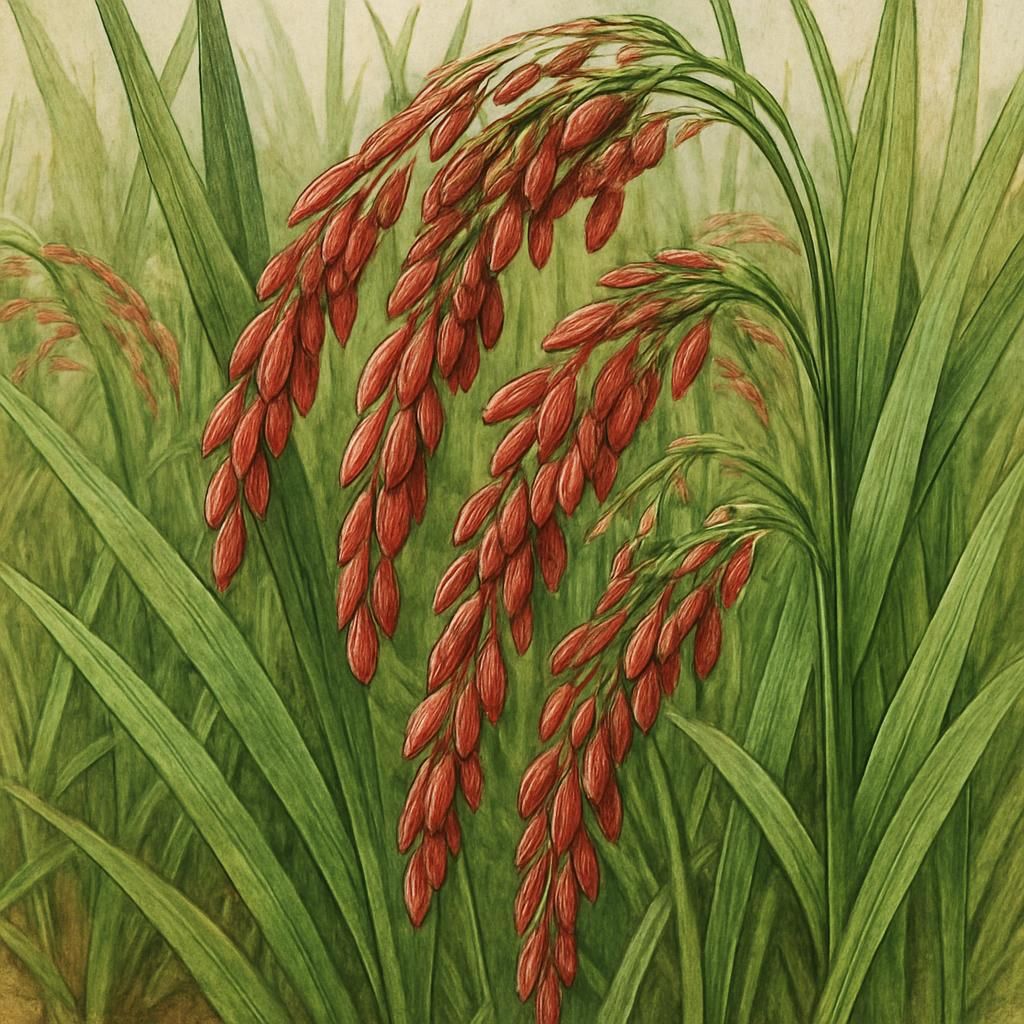
Introduction to Matta Rice (Palakkadan)
Matta Rice, commonly known as Palakkadan Matta, is an indigenous rice variety from the Palakkad region of Kerala, India. Renowned for its earthy flavor and high nutritional content, Matta Rice holds a special place in South Indian cuisine. Its unique red color comes from the retained outer bran layer, making it rich in fiber.
Botanical Profile of Matta Rice (Palakkadan)
Matta Rice is a member of the species Oryza sativa, belonging to the Poaceae family. Characterized by its medium to long grain size, Matta Rice requires specific growing conditions to thrive, including a warm climate and ample water supply.
Soil, pH, and Climate Requirements for Matta Rice (Palakkadan)
To cultivate Matta Rice successfully, understanding its soil and climatic needs is essential. Here is a table detailing the ideal conditions for this crop:
| Factor | Ideal Condition |
|---|---|
| Soil Type | Loamy, well-drained soil |
| Soil pH | 5.5 - 7.5 |
| Temperature | 25°C - 35°C (77°F - 95°F) |
| Rainfall | 1250mm - 2000mm annually |
| Altitude | Below 1200 meters (3937 feet) |
Step-by-Step Planting & Propagation
- Seed Selection: Choose high-quality, certified seeds to ensure better yield.
- Land Preparation: Plow and level the field to remove weeds and ensure uniform irrigation.
- Nursery Preparation: Sow seeds in nursery beds and maintain optimal moisture.
- Transplantation: Transfer seedlings to the main field after 20-30 days when they reach a height of 15-20 cm.
- Spacing: Maintain a planting distance of 20-25 cm between rows and 15 cm between plants.
Care & Maintenance Regimes for Matta Rice (Palakkadan)
Proper care is vital for achieving a high yield. Below is a table detailing regimes for watering, fertilization, and pruning:
| Aspect | Schedule |
|---|---|
| Watering | Flood irrigation; maintain 2-5 cm water level |
| Fertilizer | Use organic compost or farmyard manure at intervals |
| Pruning | N/A (not required for rice) |
Pests, Diseases & Organic Management
Matta Rice can be susceptible to pests such as Spider Mites and diseases like blast and sheath blight. Implementing an Integrated Pest Management (IPM) strategy using organic pesticides such as neem oil can effectively control these issues.
Harvesting, Curing & Optimal Storage
- Harvesting: Matta Rice is typically harvested 105-135 days after planting.
- Curing: Allow rice grains to dry under the sun for a few days to reduce moisture content.
- Storage: Store grains in a cool, dry place in airtight containers to avoid pest infestation.
Companion Planting for Matta Rice (Palakkadan)
Companion planting boosts yield and pest control. Consider planting Lychee alongside to enhance biodiversity and soil health.
In conclusion, Matta Rice requires specific growing conditions, but with the right care and organic management, it can yield highly nutritious and flavorful grains. By diversifying with practices such as companion planting, farmers can enhance productivity sustainably. For more on crop rotation and soil health strategies, consider reading Fall Soil Revival: 8 Organic Strategies to Rebuild Fertility for Small Farms.