Introduction
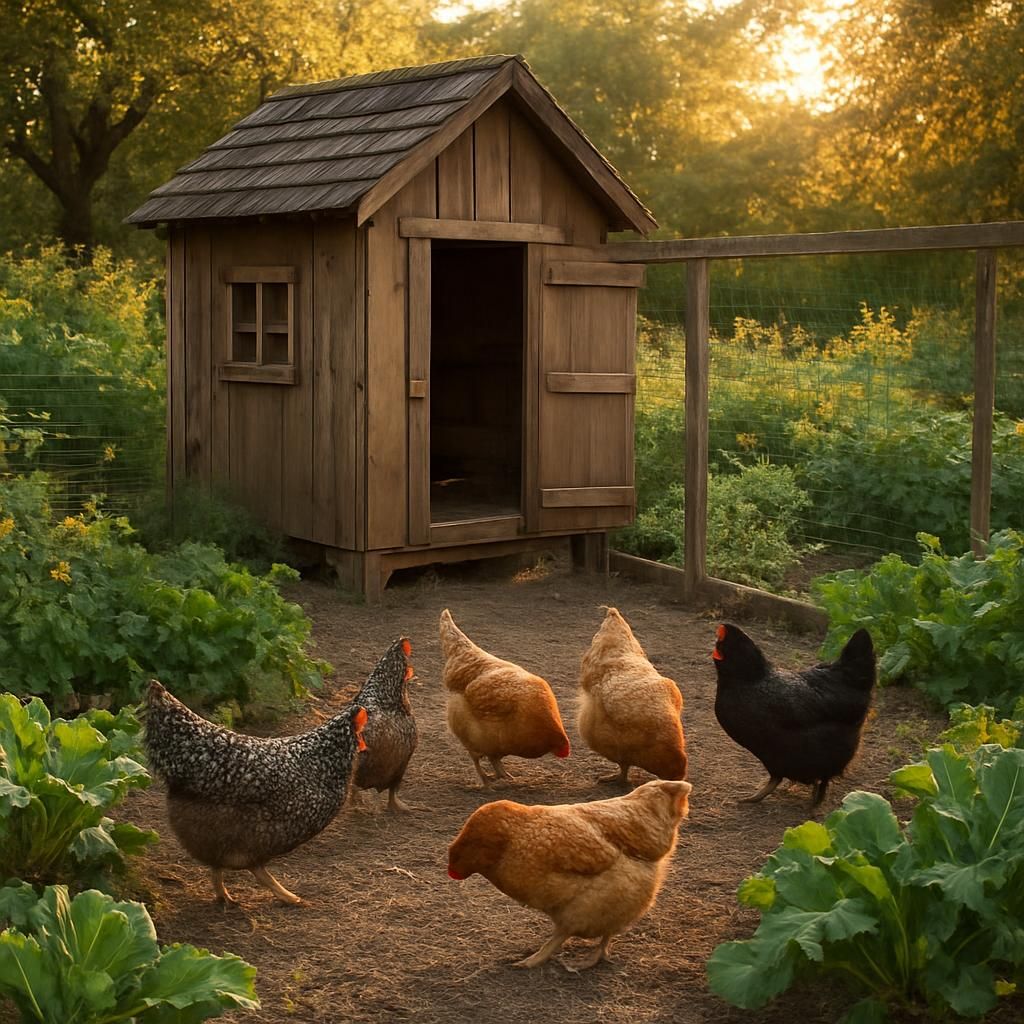
Many homesteaders begin their journey by adding a small flock of chickens to their property. Whether you are converting a hobby space or developing a new build, raising backyard chickens provides fresh eggs, natural pest control, and valuable manure for your garden. This guide covers everything you need to know to start successfully while staying true to organic principles.
Common Causes of Early Flock Problems
New keepers often face setbacks that can be traced to a few predictable issues. Understanding these helps you avoid common pitfalls from day one.
| Issue | Typical Cause | Impact on Flock |
|---|---|---|
| Overcrowding | Insufficient coop or run space | Stress, feather picking, disease spread |
| Poor nutrition | Feeding only scratch grains or kitchen scraps | Weak immunity, low egg production |
| Inadequate predator protection | Weak fencing or uncovered runs | Losses to foxes, raccoons, or dogs |
| Lack of dust bathing areas | No dry soil or sand provided | Increased external parasites |
Step-by-Step Organic Solutions
Follow these steps to establish a healthy, productive flock using organic practices.
1. Choose the Right Breeds
Select heritage or dual-purpose breeds suited to your climate. Popular organic-friendly choices include Rhode Island Reds, Plymouth Rocks, and Australorps for their hardiness and foraging ability.
2. Build or Buy an Appropriate Coop
Provide at least 4 square feet of indoor space per bird and 10 square feet in the run. Use untreated lumber and hardware cloth (not chicken wire) for predator protection. Elevate the coop slightly for ventilation underneath.
3. Set Up the Run and Enrichment
Cover the run with buried apron fencing to deter digging predators. Add perches, dust-bath stations, and shady areas. Rotate the run periodically to maintain grass cover and reduce parasites.
4. Source Organic Feed and Supplements
Start pullets on certified organic starter feed, then transition to layer pellets. Offer free-choice oyster shells for calcium and crushed eggshells for grit. Allow daily foraging time for insects and greens.
5. Establish a Daily Care Routine
Collect eggs twice daily, refresh water, and check for signs of illness. Provide fresh bedding weekly and perform deep cleans monthly. Monitor body condition and behavior closely.
6. Integrate Chickens with Your Garden
Use the deep-litter method in the coop to create rich compost. Move portable "chicken tractors" over garden beds after harvest to till soil and eat pests naturally.
Prevention Tips
- Start small with 4-6 birds to learn management before scaling up.
- Keep a simple flock journal noting feed consumption, egg counts, and any health observations.
- Vaccinate only when required by local regulations and choose organic-approved options when available.
- Maintain year-round predator-proofing, especially during spring when food is scarce for wildlife.
- Rotate pastures or runs every 4-6 weeks to break parasite cycles.
By following these organic-first methods, your backyard flock will thrive and contribute meaningfully to a self-sufficient homestead.