Introduction
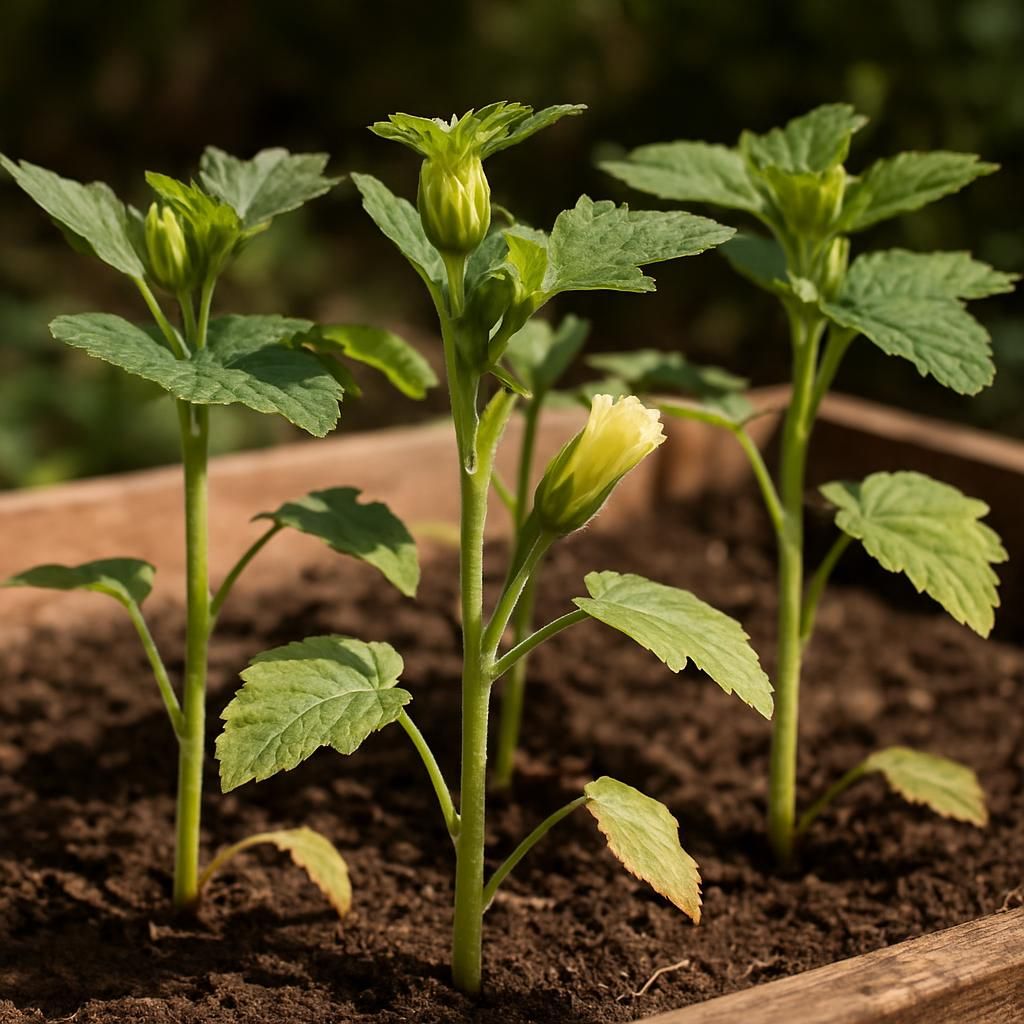
Many gardeners notice their Okra plants beginning to flower when the plants are only 4-5 inches tall. This premature blooming often signals stress and can limit overall yield because the plant diverts energy from leaf and stem development into reproduction too soon. Understanding the underlying triggers allows growers to intervene with organic practices that restore balance and encourage robust vegetative growth.
Common Causes
Several environmental and cultural factors commonly trigger early flowering in okra. High temperatures above 90°F (32°C) during the day frequently stress young plants, prompting them to reproduce before they reach adequate size. Insufficient nitrogen in the soil is another frequent culprit; nitrogen deficiency forces the plant to prioritize seed production over foliage. Inconsistent watering--either drought stress or waterlogged roots--also accelerates flowering as the plant perceives unfavorable conditions.
Overcrowding and poor light exposure compound these issues. When seedlings compete for sunlight or are planted too densely, they interpret the environment as hostile and initiate blooms early. Using seeds from varieties bred for short seasons can likewise result in quicker flowering, especially in cooler climates where the growing window is limited.
| Cause | Typical Symptoms | Impact on Plant |
|---|---|---|
| High daytime heat | Wilting leaves, rapid bud formation | Reduced stem thickness and fewer pods |
| Nitrogen deficiency | Pale lower leaves, stunted height | Energy shifts to flowers instead of growth |
| Inconsistent moisture | Drooping stems, cracked soil | Premature reproductive phase |
| Low light or crowding | Leggy stems, small leaves | Lower overall biomass and yield |
Step-by-Step Organic Solutions
Begin by assessing soil fertility. Conduct a simple jar test or send a sample for analysis to confirm nitrogen levels. If nitrogen is low, side-dress plants with well-aged compost or apply a diluted fish emulsion fertilizer at half strength every two weeks until new vegetative growth appears.
Improve watering consistency by maintaining even soil moisture at 1 inch per week. Use drip irrigation or soaker hoses covered with organic mulch such as straw or shredded leaves to reduce evaporation and moderate soil temperature. Mulch also suppresses weeds that compete for nutrients.
Provide afternoon shade during heat waves by installing temporary shade cloth rated at 30-40% blockage. This simple barrier can lower canopy temperature by several degrees and allow the plant to resume vegetative growth.
Pinch off the earliest flower buds and any small pods that form while plants remain under 12 inches tall. Removing these reproductive structures redirects carbohydrates back into leaf and stem development, often resulting in taller plants and higher eventual yields.
Transplant or thin seedlings so each okra plant has at least 18-24 inches of spacing. Adequate room improves air circulation and light penetration, both of which support stronger stems before flowering resumes.
Prevention Tips
Choose heat-tolerant, slow-bolting varieties such as Clemson Spineless when starting new crops. Start seeds indoors four to six weeks before the last frost so transplants are already 8-10 inches tall when moved outside. This head start reduces the chance of stress-induced flowering.
Maintain a consistent feeding schedule using compost tea or balanced organic fertilizers high in nitrogen during the first month after transplanting. Monitor daytime temperatures and deploy shade cloth proactively when forecasts predict extended heat.
Rotate okra with nitrogen-fixing crops such as beans or peas in subsequent seasons to naturally replenish soil fertility. Keep detailed notes on planting dates, weather patterns, and plant responses each year to refine timing and reduce future occurrences of premature blooming.
By addressing heat, nutrition, water, and spacing systematically, gardeners can guide Okra plants toward healthy vegetative development and enjoy abundant pod production throughout the season.