Introduction
Many gardeners find themselves staring at patches in their yard wondering, "Is this grass?" and asking how they can successfully introduce or expand desirable grass species. Whether you're dealing with an unknown plant that looks like turfgrass or trying to create a lush lawn from scratch, accurate identification and organic establishment methods are essential. Misidentifying weeds as grass or choosing the wrong species for your region often leads to patchy, unhealthy yards. This guide walks you through reliable identification techniques and proven organic approaches to building a resilient lawn.
Common Causes
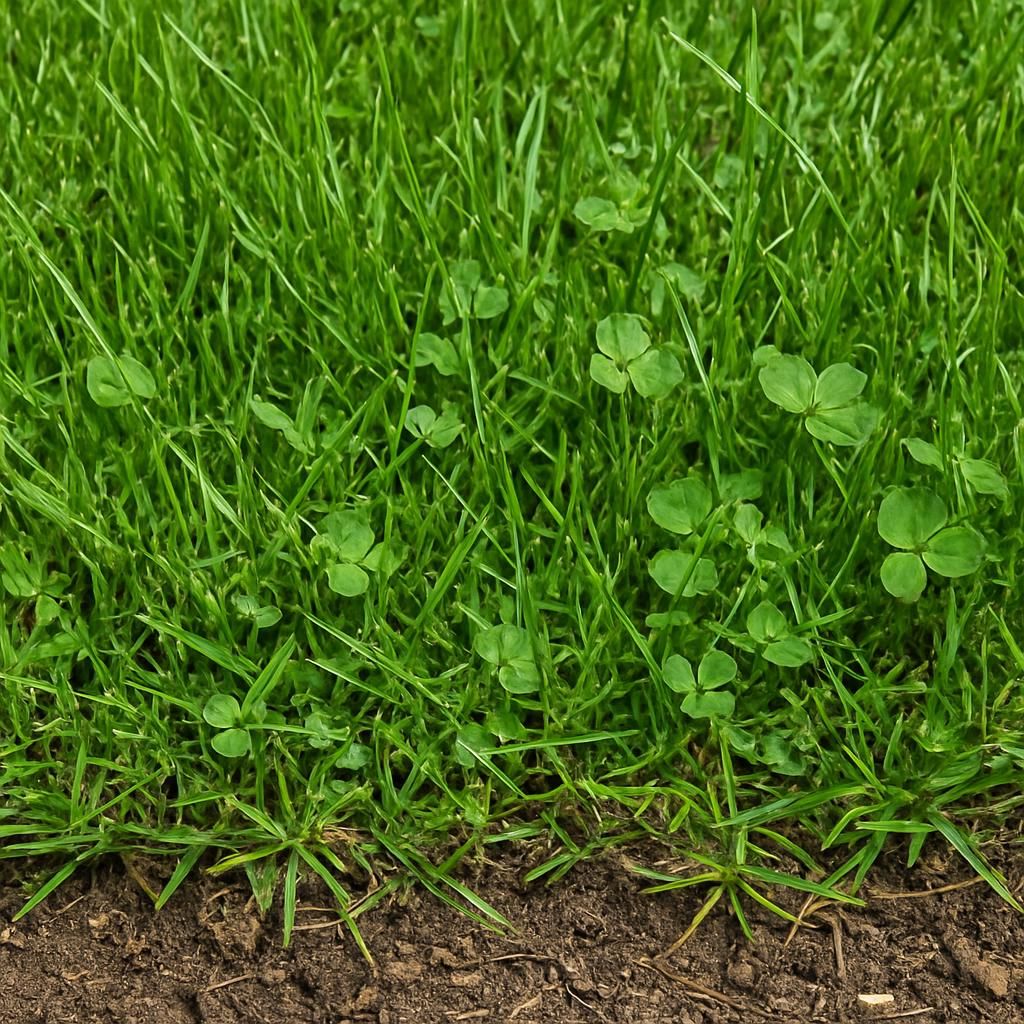
Several factors contribute to confusion and poor lawn performance when establishing grass. Climate mismatch is a primary issue--cool-season grasses struggle in hot southern summers, while warm-season varieties fail in northern winters. Soil conditions also play a major role; compacted earth, low organic matter, or imbalanced pH prevent proper root development. Weed invasion frequently mimics grass growth, with species like clover often mistaken for desirable turf in early stages. Overwatering or underwatering creates browning and thinning that people attribute to the wrong grass type. Finally, seed quality and timing errors lead to weak establishment, especially when non-organic fertilizers are used that disrupt soil biology.
Step-by-Step Organic Solutions
Step 1: Accurate Grass Identification
Begin by examining leaf blades, growth habit, and seed heads. Cool-season grasses such as Kentucky bluegrass have fine blades with a boat-shaped tip, while warm-season types like Bermuda grass feature coarser blades and aggressive stolons. Use a magnifying glass to check for ligules and auricles at the leaf base. Take photos in different lighting and compare against regional extension resources. Test soil pH with a simple kit--most grasses prefer 6.0-7.0.
Step 2: Soil Preparation
Remove existing weeds by hand or with a hoe, avoiding chemical herbicides. Loosen the top 4-6 inches of soil using a garden fork to improve aeration. Incorporate 2-3 inches of well-rotted compost to boost organic matter and microbial activity. Level the area with a rake, removing rocks and debris. For heavy clay soils, mix in coarse sand to enhance drainage.
Step 3: Selecting and Sowing Organic Seed
Choose regionally appropriate, organic-certified seed blends. In northern zones, focus on perennial ryegrass and fescue mixes; southern areas benefit from zoysia or buffalo grass. Broadcast seed at the recommended rate (typically 3-5 pounds per 1,000 square feet) during the optimal season--early fall for cool-season grasses and late spring for warm-season types. Lightly rake seeds into the soil surface and roll gently for good seed-to-soil contact.
Step 4: Watering and Early Care
Keep the seedbed consistently moist with light, frequent watering (two to three times daily) until germination, which usually occurs in 7-21 days. Transition to deeper, less frequent watering once seedlings reach 2 inches tall to encourage deep roots. Mulch lightly with straw to retain moisture and suppress weeds. Avoid foot traffic for the first four to six weeks.
Step 5: Organic Fertilization and Maintenance
Apply organic compost tea or aged manure tea every four to six weeks during the growing season. Top-dress with finished compost annually to maintain soil fertility. Mow at the proper height--never removing more than one-third of the blade at once--and leave clippings on the lawn to recycle nutrients.
| Grass Type | Best Climate | Organic Establishment Tips | Mowing Height |
|---|---|---|---|
| Cool-season (fescue, rye) | Cool, moist northern regions | Sow in early fall; use compost tea | 2.5-3.5 inches |
| Warm-season (Bermuda, zoysia) | Hot southern summers | Plant in late spring; ensure good drainage | 1-2 inches |
| Native mixes | Variable, low-maintenance | Include clover for nitrogen fixation | 3-4 inches |
Prevention Tips
Prevent future identification issues and lawn decline by performing annual soil tests and maintaining 2-3 inches of organic mulch around borders. Introduce beneficial insects and avoid synthetic pesticides that harm soil life. Rotate mowing patterns to reduce compaction and overseed thin areas every two to three years with organic seed. Monitor for early signs of stress, such as discoloration, and address them with targeted compost applications rather than blanket treatments. Consistent organic practices create a self-sustaining lawn that resists weeds and adapts to weather fluctuations.
By following these identification and establishment steps, you can confidently transform uncertain patches into a vibrant, organic lawn that enhances your entire landscape.