Introduction
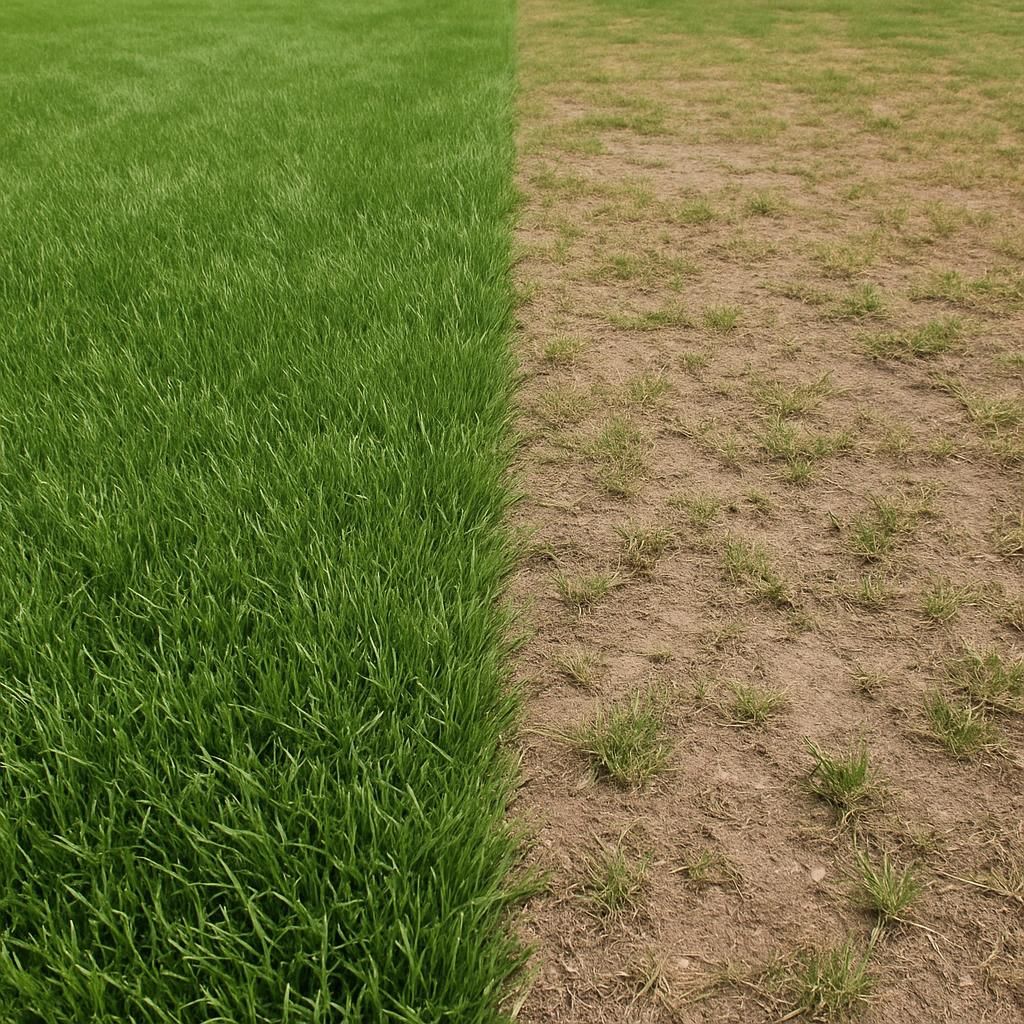
Many homeowners notice that grass fails to grow properly in certain sections of their lawn, leaving unsightly bare or thin patches. This problem often affects half or more of the yard and can stem from underlying issues with soil quality, moisture levels, or environmental conditions. Understanding the root causes allows for targeted, organic interventions that promote vigorous grass growth without relying on synthetic chemicals. By addressing these factors systematically, you can achieve a uniform, lush lawn that thrives year after year.
Common Causes
Several interconnected factors typically contribute to patchy lawn growth. Soil compaction is one of the leading issues, as heavy foot traffic or construction activity compresses the soil and prevents roots from penetrating deeply. Poor drainage or excessive water retention in specific areas can also drown roots or lead to nutrient leaching. Nutrient deficiencies, particularly in nitrogen, phosphorus, or potassium, often manifest as uneven growth patterns.
Shade from trees or buildings may limit sunlight in half the lawn, while pest activity such as grubs or nematodes can damage roots selectively. In some cases, thatch buildup or improper mowing practices exacerbate the problem by restricting air and water movement. Climate influences like drought stress or frost heave in certain zones further complicate recovery. Identifying these causes through simple soil tests and observation is the first step toward effective resolution.
Step-by-Step Organic Solutions
Begin by conducting a basic soil test to measure pH and nutrient levels; aim for a pH between 6.0 and 7.0 for most grass types. Aerate the compacted areas using a core aerator in early spring or fall to improve oxygen flow and water infiltration. Follow aeration with topdressing using a thin layer of organic compost to replenish nutrients naturally.
Overseed bare patches with a grass seed blend suited to your region, mixing in Clover for natural nitrogen fixation and improved soil structure. Water newly seeded areas lightly but consistently to maintain moisture without causing runoff. Apply organic fertilizers such as well-aged manure or fish emulsion every four to six weeks during the growing season.
For shaded sections, consider pruning overhanging branches or introducing shade-tolerant grass varieties. If pests are suspected, introduce beneficial nematodes or encourage natural predators like birds through habitat features. Monitor progress over several weeks and repeat aeration annually as needed.
| Solution Step | Timing | Materials Needed | Expected Outcome |
|---|---|---|---|
| Soil Testing | Early Spring | Test kit or lab sample | Accurate pH and nutrient data |
| Aeration | Spring/Fall | Core aerator | Reduced compaction, better root growth |
| Overseeding | After aeration | Grass seed, clover mix, compost | Faster coverage in thin areas |
| Organic Fertilizing | Every 4-6 weeks | Compost tea or aged manure | Sustained green color and density |
| Pest Monitoring | Ongoing | Beneficial nematodes | Natural control of root damage |
Prevention Tips
Maintain regular mowing at the proper height for your grass species to encourage deep rooting and reduce stress. Implement a consistent watering schedule of one inch per week, applied early in the morning to minimize evaporation. Rotate traffic patterns across the lawn to prevent localized compaction and incorporate organic matter into the soil each season through mulching or composting. Monitor for early signs of imbalance and adjust care routines promptly. These practices build long-term soil health and resilience against future patchy growth.
Over time, integrating cover crops like Clover in rotation or adjacent beds supports microbial activity that benefits the entire lawn ecosystem. Consistent observation combined with these organic approaches ensures sustained, even grass development across all areas.