Introduction
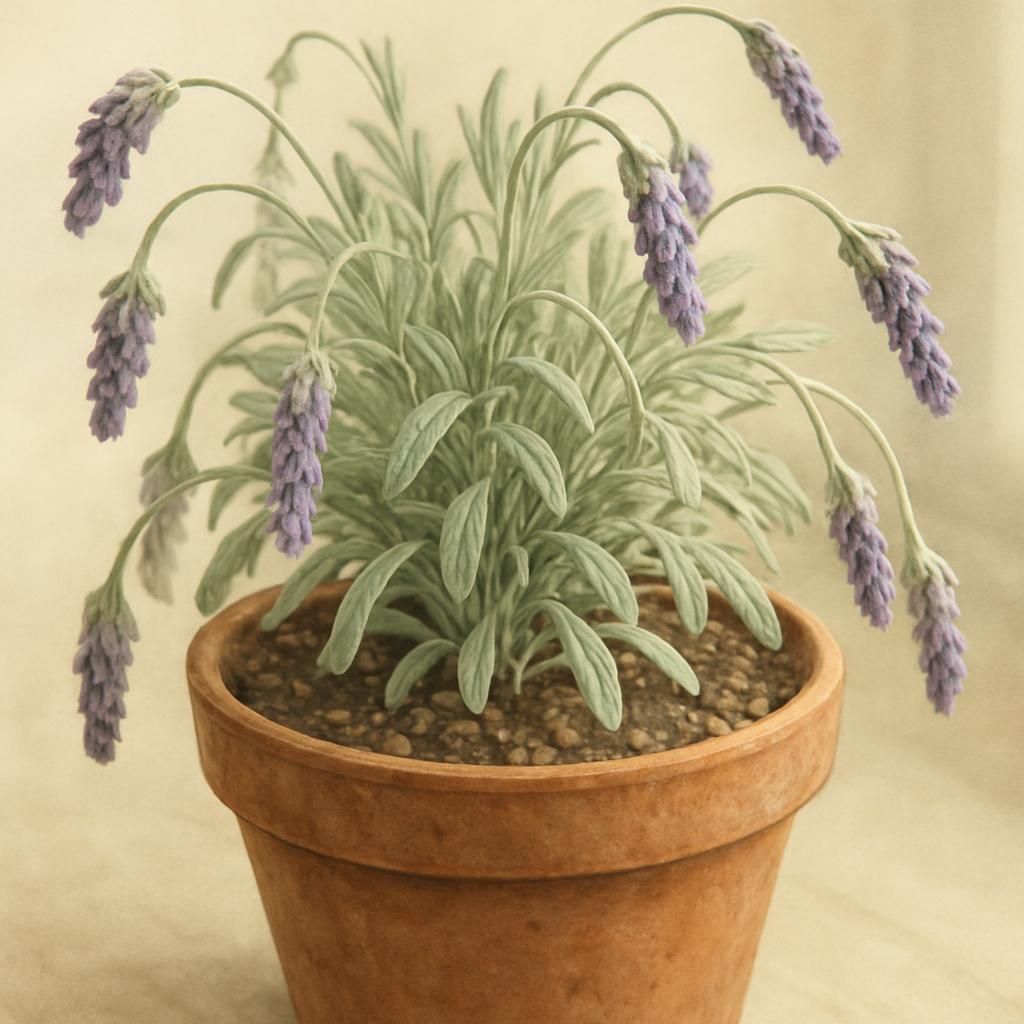
Lavender often shows signs of stress shortly after repotting, especially when watering routines change. Drooping leaves, limp stems, and a generally sparse appearance are common within the first week or two. The good news is that these symptoms are usually reversible with targeted adjustments to moisture levels and care practices. This guide explains the most frequent causes and provides step-by-step organic solutions to help your lavender recover and develop the lush, compact habit gardeners prize.
Common Causes
Transplant shock is the primary trigger when lavender is moved to a new container. Roots are disturbed, and the plant must re-establish contact with fresh soil. Overwatering compounds the problem because lavender prefers well-drained conditions; excess moisture quickly leads to root oxygen deprivation and wilting.
Underwatering can also occur if the new potting mix dries faster than the previous one. Other contributing factors include poor drainage holes, heavy soil that retains water, or sudden changes in light intensity. Identifying the exact cause early prevents further decline.
| Symptom | Likely Cause | Typical Timing |
|---|---|---|
| Limp stems and yellowing lower leaves | Overwatering after repotting | 3-7 days |
| Dry, crispy leaf edges | Underwatering or low humidity | 5-10 days |
| Slow new growth and sparse foliage | Transplant shock + insufficient light | 1-3 weeks |
| Wilting despite moist soil | Root damage or compacted mix | Immediately after repot |
Step-by-Step Organic Solutions
1. Assess Soil Moisture
Insert a wooden skewer or your finger two inches into the soil. If it emerges damp, withhold water for several days. Lavender thrives when the top inch of soil dries between waterings.
2. Improve Drainage Immediately
- Repot again only if drainage is clearly inadequate, using a terracotta container with multiple holes.
- Blend a fast-draining mix: two parts cactus or succulent soil, one part perlite, and one part coarse sand.
- Elevate the pot on feet or a saucer filled with pebbles to allow air circulation beneath.
3. Adjust Watering Frequency
Water deeply but infrequently. In most indoor or patio settings, this means once every 7-10 days during active growth. Always check the soil first rather than following a calendar.
4. Provide Optimal Light and Airflow
Place the plant in at least six hours of direct sunlight. Good air movement reduces fungal risk and helps soil dry evenly. Avoid enclosed spaces or locations with constant shade.
5. Apply Gentle Organic Support
- Top-dress with a thin layer of compost or worm castings once new growth appears.
- Use diluted seaweed extract (half strength) every three weeks to ease transplant stress without pushing soft growth.
- Prune only dead or severely damaged stems; wait until healthy foliage returns before shaping.
Recovery typically begins within 10-14 days when moisture and drainage are corrected. New lateral shoots signal that the plant is re-establishing successfully.
Prevention Tips
Choose pots with ample drainage and use a gritty, low-fertility medium from the start. Water only after the soil surface has dried, and gradually acclimate newly purchased or divided plants to outdoor conditions over several days. Maintain consistent sunlight and avoid fertilizing heavily; lavender performs best in lean soils. Monitor containers weekly during seasonal transitions to catch moisture imbalances early.
By following these organic practices, your lavender will regain vigor and develop the dense, aromatic foliage that defines a healthy specimen.