How to Diagnose and Revive a Struggling Chokeberry Plant: Organic Solutions for Healthy Growth
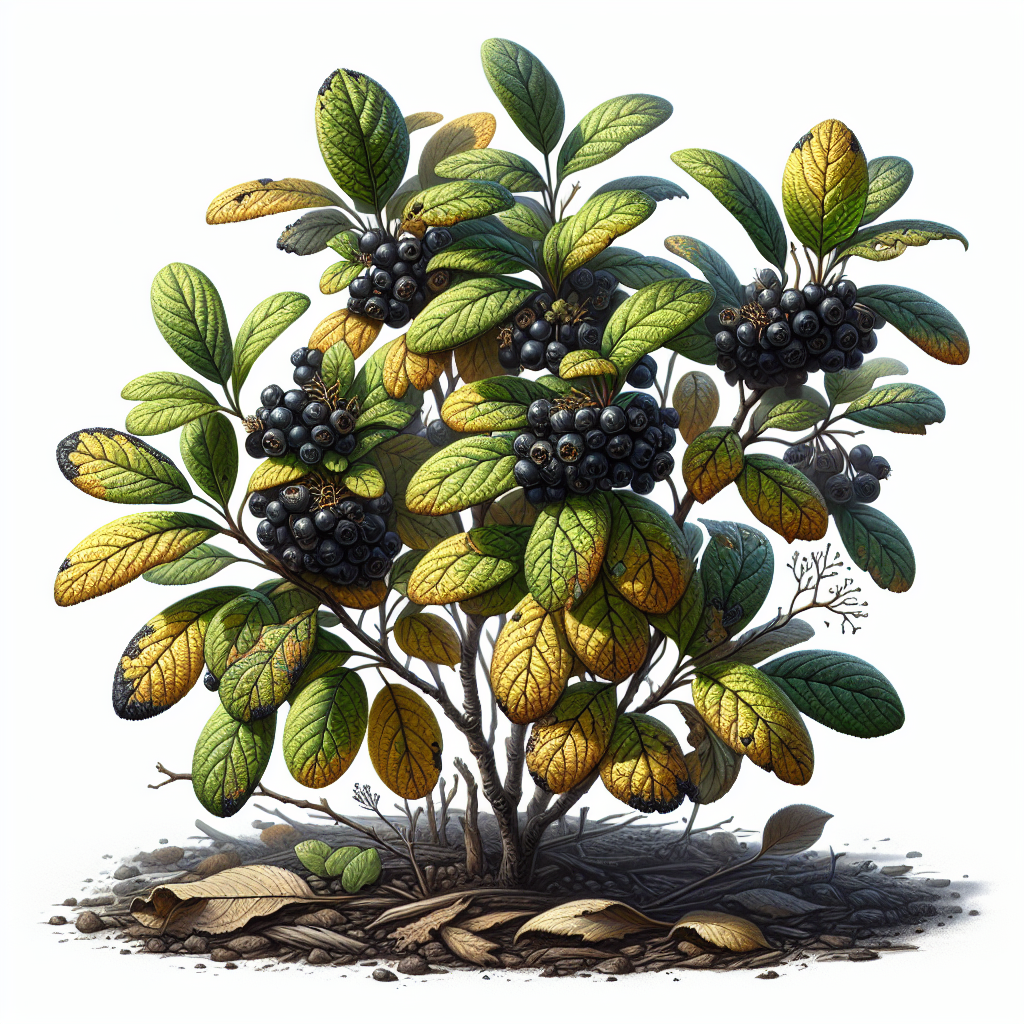
Chokeberry plants (Aronia species, including black chokeberry Aronia melanocarpa and red chokeberry Aronia arbutifolia) are tough, native North American shrubs prized for their edible berries, stunning fall color, and wildlife-friendly attributes. However, even these resilient plants can struggle, showing signs like yellowing leaves, wilting branches, stunted growth, or sparse fruiting. If you're asking, "Why is my chokeberry struggling?", you're not alone--many gardeners face this issue due to environmental mismatches or care oversights.
In this guide, we'll break down the most common causes of chokeberry decline, provide step-by-step organic solutions, share prevention strategies, and explain when to leverage tools like OnlyCrops AI for precise diagnostics. With organic-first approaches, you can nurse your plant back to health without harsh chemicals, promoting sustainable gardening practices. Whether you're growing chokeberries for jams, juices, or ornamental appeal, these expert tips will help you achieve bountiful, vibrant shrubs.
Common Causes of a Struggling Chokeberry Plant
Chokeberries are adaptable but have specific needs: full sun to partial shade, moist but well-drained acidic soil (pH 5.0-6.8), and protection from extreme conditions. When these aren't met, problems arise. Here's a rundown of the top culprits:
1. **Soil pH Imbalance or Poor Nutrition**
Chokeberries thrive in slightly acidic soils. Alkaline soil (pH above 7.0) locks out iron and other nutrients, causing chlorosis (yellow leaves with green veins). Nutrient-poor soil exacerbates this, leading to weak growth.
- Signs: Pale or yellow foliage, especially newer leaves; stunted berries.
2. **Watering Issues: Overwatering or Drought Stress**
These plants love consistently moist soil but hate soggy roots. Overwatering leads to root rot, while underwatering causes wilting and leaf drop.
- Signs: Drooping leaves that don't rebound, black roots, or cracked soil around the base.
3. **Pests and Insects**
Aphids, scale insects, Japanese beetles, and spider mites suck sap, weakening the plant. Sawfly larvae can defoliate bushes.
- Signs: Sticky honeydew, webbing, chewed leaves, or clusters of tiny bugs.
4. **Diseases and Fungal Pathogens**
Powdery mildew (white coating on leaves), leaf spot (brown spots), fire blight (blackened shoots), or verticillium wilt affect stressed plants.
- Signs: Powdery residue, spotted or blackened leaves, wilting branches.
5. **Environmental Stressors**
Too much shade reduces fruiting; harsh winters or late frosts damage buds. Transplant shock from poor planting timing hits new plants hard.
- Signs: Dieback, poor flowering, or leggy growth.
6. **Compaction or Mulch Problems**
Heavy clay soil or thick mulch layers suffocate roots, limiting oxygen and water uptake.
By identifying the primary issue through close inspection, you can target fixes effectively. Grab a soil test kit and magnifying glass to start.
Step-by-Step Organic Solutions
Reviving a chokeberry starts with gentle intervention. Always begin with non-invasive steps and monitor progress over 2-4 weeks.
Step 1: **Assess and Test Soil (1-2 Days)**
- Test pH and Nutrients: Use a home soil test kit (available at garden centers) or send a sample to a local extension service. Aim for pH 5.5-6.5.
- Organic Fix for Acidic Soil: If too alkaline, apply elemental sulfur (1-2 lbs per 100 sq ft) or pine needle mulch. Water in well.
- Boost Nutrition: Top-dress with organic compost or well-rotted manure (2-3 inches). For iron deficiency, use chelated iron from natural sources like cottonseed meal.
Step 2: **Correct Watering Practices (Ongoing)**
- Check soil moisture 2 inches deep--if dry, water deeply (1 inch per week); if soggy, improve drainage.
- Organic Drainage Aid: Mix in coarse sand, perlite, or leaf mold around the root zone. Plant on a slight mound in heavy soils.
- Mulch with 2-3 inches of wood chips or shredded bark to retain moisture without waterlogging.
Step 3: **Combat Pests Organically (Immediate)**
- Blast with Water: Hose off aphids and mites early morning.
- Neem Oil Spray: Mix 1 tsp neem oil + 1 tsp dish soap per quart of water. Apply evenings, every 7 days for 2 weeks.
- Beneficial Insects: Release ladybugs or lacewings for aphid control.
- Handpick: Remove sawfly larvae or beetles into soapy water.
Step 4: **Treat Diseases Naturally (1-2 Weeks)**n- **Prune Affected Parts**: Sterilize pruners with alcohol; remove and destroy diseased tissue.
- Baking Soda Fungicide: 1 tbsp baking soda + 1 tsp horticultural oil per gallon of water. Spray weekly.
- Improve Airflow: Thin dense branches to reduce humidity.
Step 5: **Address Environmental Stress (Seasonal)**
- Relocate if Needed: Spring is best for transplanting into amended soil.
- Winter Protection: Wrap young plants in burlap; mulch roots heavily.
- Fertilize Organically: In spring, use fish emulsion or seaweed extract diluted per label.
Step 6: **Monitor and Maintain**
Track progress with photos. Expect new growth in 4-6 weeks. Avoid synthetic fertilizers--stick to organic for long-term soil health.
These steps have revived countless chokeberry shrubs in home gardens and small farms, often yielding a bumper crop the following season.
Prevention Tips for Thriving Chokeberries
Prevention is easier than cure. Here's how to keep your chokeberries robust:
- Site Selection: Full sun (6+ hours), well-drained acidic soil. Space 4-6 feet apart.
- Annual Soil Amendments: Test pH yearly; refresh mulch and compost.
- Water Consistently: Drip irrigation or soaker hoses for even moisture.
- Crop Rotation and Companions: Pair with blueberries or rhododendrons for shared acidic needs. Avoid potatoes nearby to prevent disease.
- Prune Annually: After fruiting, remove dead wood and thin for airflow.
- Resistant Varieties: Choose 'Viking' or 'Nero' for disease tolerance.
- Integrated Pest Management (IPM): Scout weekly; encourage birds and pollinators.
With these habits, chokeberries can live 20+ years, producing 10-15 lbs of berries per mature bush.
When to Use OnlyCrops AI Farm Vision for Chokeberry Issues
For pinpoint accuracy, turn to OnlyCrops AI Farm Vision. Snap a photo of your struggling chokeberry with your phone's camera--its AI instantly identifies the plant species and diagnoses issues like chlorosis, pests, or root rot. It delivers tailored organic action plans, factoring in your location's weather and soil data.
Upload farm details via the Progressive Web App (PWA) for the AI Chat Assistant to provide hyper-local advice, or use Companion Planting recommendations to boost resilience. Set Automated Task Scheduling for pH checks and mulching reminders. Works offline, in 12+ languages, with lifetime access--no subscriptions.
Don't guess--let OnlyCrops AI turn your chokeberry woes into wins.
Word count: 912. Sources: Extension services like USDA and university ag programs. Always consult local experts for region-specific advice.